
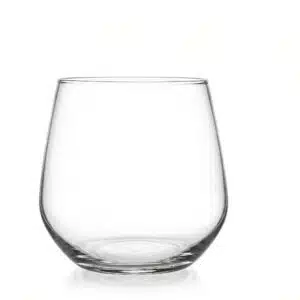
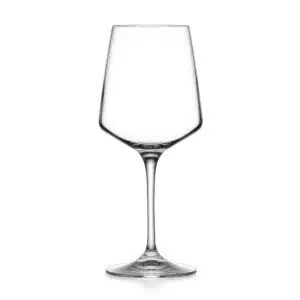
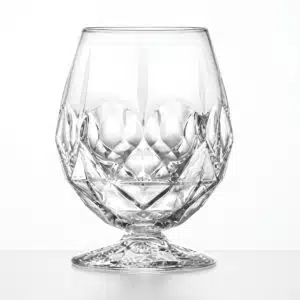
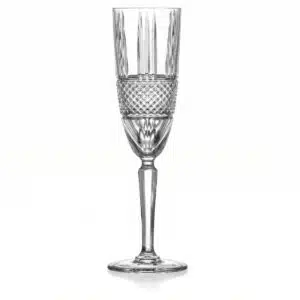








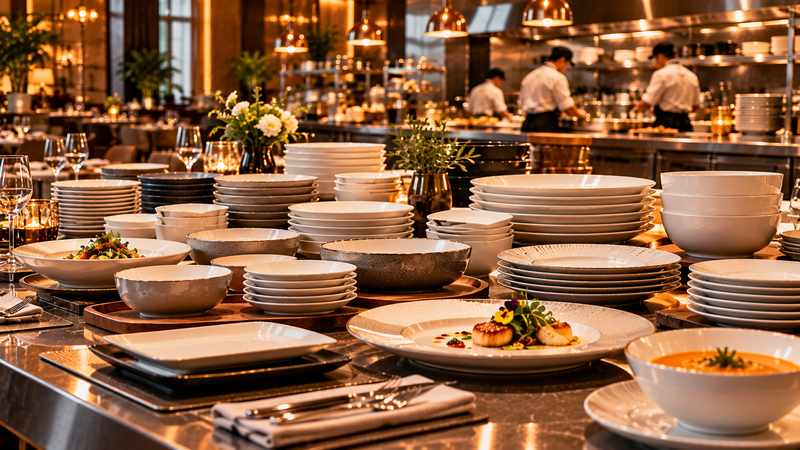
Restaurant dinnerware is one of the most visible parts of the dining experience. Plates, bowls, cups and serving pieces influence how food is presented and how customers perceive the quality of a restaurant or hotel.
For businesses searching for a restaurant dinnerware supplier UAE, the right products should combine attractive presentation, practical design and suitability for repeated commercial use. Dinnerware must withstand frequent handling, stacking, washing, storage and service across busy restaurants, hotels, cafes and catering operations.
A well-planned dinnerware collection also makes kitchen and front-of-house operations easier. Matching plates and bowls improve table presentation, while stackable designs support faster setup and better storage use.
This guide explains how to choose restaurant plates, bowls and serving collections for restaurants, hotels, cafes and hospitality businesses in the UAE.
What Is Restaurant Dinnerware?
Restaurant dinnerware includes the plates, bowls, cups, saucers and serving pieces used to present food and beverages to customers.
A professional collection may include:
- Dinner plates
- Side plates
- Bread plates
- Soup bowls
- Pasta bowls
- Salad bowls
- Dessert plates
- Breakfast bowls
- Serving platters
- Sauce dishes
- Cups
- Saucers
- Coffee mugs
The required products depend on the restaurant concept, menu, portion sizes and service style.
Businesses can explore commercial crockery and restaurant dinnerware when planning a professional tableware collection.
Why Quality Dinnerware Matters
Dinnerware affects both presentation and daily operations.
High-quality commercial crockery can help restaurants achieve:
- Better food presentation
- Consistent table settings
- Easier table preparation
- More efficient storage
- Improved customer experience
- Reduced replacement problems
- Better menu presentation
- Easier inventory control
A plate should not only look good. It should also be comfortable for staff to carry, suitable for the food being served and practical to clean and store.
What to Look for in a Dinnerware Supplier UAE Businesses Need
A reliable tableware supplier Dubai restaurants and hotels can work with should offer more than a large catalogue.
Evaluate:
- Product range
- Commercial suitability
- Material quality
- Product consistency
- Bulk availability
- Replacement options
- Delivery coverage
- Product specifications
- Project support
- Customer service
A supplier that offers crockery, cutlery, glassware, serving trays and buffetware can simplify procurement for restaurants and hospitality projects.
Main Types of Restaurant Dinnerware
Every restaurant requires a different mix of plates, bowls and serving collections. The following products form the foundation of most commercial dinnerware systems.
Main Dinner Plates
Dinner plates are used for main courses such as:
- Meat dishes
- Seafood
- Pasta
- Rice
- Grilled food
- Roasted vegetables
- Main-course salads
- Chef specials
When choosing main plates, consider:
- Diameter
- Usable plating surface
- Rim width
- Weight
- Stackability
- Storage space
- Menu portion sizes
- Dishwasher suitability
A larger plate may offer more space for presentation, but it can also require more storage and be heavier for staff to handle.
Rimmed Dinner Plates
Rimmed plates provide a defined edge around the food. They are useful for:
- Saucy dishes
- Traditional meals
- Hotel restaurants
- Casual dining
- Banquet service
- Food with gravies
The rim can help keep food centred and may provide additional grip for staff.
Coupe Plates
Coupe plates have a wide surface without a traditional raised rim. They are suitable for modern plating and contemporary restaurants.
They may be used for:
- Pasta
- Risotto
- Seafood
- Modern main courses
- Salads
- Desserts
- Shared starters
Coupe plates provide a larger visual surface but may be less suitable for dishes with large amounts of liquid.
Side Plates
Side plates are used for:
- Bread
- Butter
- Appetisers
- Snacks
- Small portions
- Pastries
- Side dishes
They should coordinate with the main dinner plates and stack securely in storage.
Bread and Butter Plates
Bread and butter plates are commonly used in:
- Fine dining
- Hotel restaurants
- Formal table settings
- Banquet service
- European-style dining
They provide a dedicated space for bread and butter while keeping the main plate clear.
Dessert Plates
Dessert plates are designed for cakes, pastries, fruit, ice cream and plated desserts.
They may be used for:
- Cheesecake
- Cakes
- Tarts
- Brownies
- Pastries
- Fruit
- Chocolate desserts
- Afternoon tea
The plate size should frame the dessert without making the portion look too small.
Restaurant Bowls
Bowls are essential for soups, pasta, rice, salads, desserts and breakfast service.
Soup Bowls
Soup bowls should provide enough depth for liquid food while remaining stable and comfortable to use.
They may be suitable for:
- Cream soups
- Broths
- Lentil soup
- Seafood soup
- Stews
- Curries
- Hot breakfast dishes
A wide rim can support presentation and reduce the risk of spills.
Pasta Bowls
Pasta bowls often include a broad surface and deeper centre. They can be used for:
- Pasta
- Risotto
- Noodles
- Grain bowls
- Saucy dishes
- Large salads
The shape should provide enough space for plating while keeping sauces contained.
Salad Bowls
Salad bowls may be used for:
- Green salads
- Caesar salads
- Fruit salads
- Grain salads
- Side dishes
- Shared salads
Choose sizes according to whether the salad is served as a starter, side dish or main course.
Rice and Curry Bowls
Restaurants serving rice, curry and Middle Eastern dishes may need deeper bowls that support generous portions and sauces.
Dessert Bowls
Dessert bowls are suitable for:
- Ice cream
- Mousse
- Puddings
- Custard
- Fruit
- Crumble
- Parfait
- Small desserts
Breakfast Bowls
Hotels and cafes use breakfast bowls for:
- Cereal
- Yogurt
- Oatmeal
- Granola
- Fruit
- Porridge
- Breakfast sides
Breakfast bowls should be easy to replenish, stack and wash during busy morning service.
Serving Collections
Serving collections help restaurants present food for sharing, buffet service and special events.
Serving Platters
Serving platters are used for:
- Grilled meats
- Seafood
- Roast dishes
- Appetisers
- Sushi
- Canapes
- Shared meals
- Desserts
- Pastries
Choose platter sizes according to the food quantity, table space and carrying requirements.
Oval Serving Platters
Oval platters are suitable for:
- Fish
- Roast meat
- Poultry
- Shared appetisers
- Large side dishes
Rectangular Serving Platters
Rectangular platters are suitable for:
- Sushi
- Canapes
- Desserts
- Pastries
- Modern food presentation
- Buffet displays
They can also make efficient use of buffet counter space.
Sauce Dishes and Ramekins
Small dishes and ramekins may be used for:
- Sauces
- Dips
- Butter
- Olives
- Pickles
- Garnishes
- Condiments
They are useful in restaurants, cafes, room service and buffet settings.
Breakfast Serving Pieces
Hotels and cafes may require:
- Butter dishes
- Jam dishes
- Cereal bowls
- Milk jugs
- Creamers
- Sugar bowls
- Serving platters
- Fruit bowls
Commercial Dinnerware Materials
Material affects durability, weight, appearance, cleaning and replacement costs.
Porcelain
Porcelain is widely used for restaurant and hotel dinnerware because it offers an elegant appearance and works well for formal and casual foodservice.
Potential benefits include:
- Professional presentation
- Smooth food-safe surface
- Good resistance to staining
- Suitable appearance for restaurants
- Available in different shapes and sizes
Ceramic
Ceramic dinnerware can provide a relaxed or handmade appearance. It is often used in cafes, bistros, bakeries and casual restaurants.
When choosing ceramic products, check the construction, glaze, durability and commercial suitability.
Bone China
Bone china offers a refined and lightweight appearance. It may be suitable for premium hotels and fine dining restaurants.
Consider the service volume, replacement cost and handling requirements before using it in a high-turnover operation.
Melamine
Melamine is lightweight and resistant to breakage. It may be suitable for:
- Outdoor dining
- Poolside service
- Casual restaurants
- Food courts
- Selected buffet applications
Always follow the manufacturer’s instructions for heat, microwave and dishwasher use.
Stainless Steel
Stainless steel is commonly used for serving dishes, trays, bowls and selected foodservice products. It is durable, easy to clean and suitable for high-volume operations.
Businesses can explore commercial tableware for plates, serving products and restaurant service accessories.
How to Choose Restaurant Plates UAE Businesses Need

The best restaurant plates UAE restaurants choose should match the menu, service style and available storage.
Consider the Menu
Different dishes require different plate designs.
Fine Dining
Fine dining restaurants may need:
- Wide-rim plates
- Coupe plates
- Presentation plates
- Dessert plates
- Special serving pieces
Casual Dining
Casual restaurants may prioritise:
- Durable dinner plates
- Side plates
- Soup bowls
- Pasta bowls
- Easy stacking
- Simple replacement
Pizza Restaurants
Pizza restaurants may need:
- Large pizza plates
- Serving boards
- Side plates
- Pasta bowls
- Dessert plates
Middle Eastern Restaurants
Restaurants serving shared meals may require:
- Large serving platters
- Deep bowls
- Side plates
- Bread plates
- Sauce dishes
- Rice bowls
Cafes and Bakeries
Cafes may need:
- Dessert plates
- Cake plates
- Breakfast plates
- Coffee cups
- Saucers
- Small serving dishes
Check Plate Diameter
The plate must fit the restaurant table and allow space for cutlery and glassware. Oversized plates may create storage and handling problems.
Check Plate Weight
Heavy plates may feel premium but can increase staff fatigue and washing requirements. Lightweight products may be easier for high-volume service.
Check Stackability
Stackable plates make storage and table preparation easier. Confirm that the plates stack securely without excessive scratching.
Check Replacement Availability
A plate collection should be available for future replacement. This is especially important for hotels, restaurants with multiple branches and catering companies.
Hotel Dinnerware
Hotels require dinnerware for multiple departments and service occasions.
Hotel Restaurant Dinnerware
A hotel restaurant may need:
- Main plates
- Side plates
- Soup bowls
- Pasta bowls
- Dessert plates
- Serving platters
- Cups and saucers
- Breakfast bowls
Hotel Breakfast Buffets
Breakfast buffets require durable and practical dinnerware for high guest turnover.
Common products include:
- Breakfast plates
- Side plates
- Cereal bowls
- Fruit bowls
- Dessert plates
- Coffee cups
- Tea cups
- Saucers
Products should be easy to stack, replenish and wash throughout the morning.
For additional buffet products, explore commercial buffetware.
Hotel Banquets
Banquet dinnerware should be easy to transport, stack and arrange.
It may be used for:
- Weddings
- Conferences
- Corporate dinners
- Formal receptions
- Gala events
- Private functions
Hotels should keep reserve stock for events and unexpected guest numbers.
Hotel Room Service
Room service dinnerware should be attractive while fitting comfortably on trays and trolleys.
It may include:
- Main plates
- Side plates
- Bowls
- Dessert plates
- Cups
- Saucers
- Serving dishes

Coordinate the crockery with hotel serving trays and room service accessories.
Restaurant Dinnerware for Cafes
Cafes often need a smaller but flexible dinnerware collection.
A cafe may require:
- Dessert plates
- Cake plates
- Breakfast plates
- Small bowls
- Salad bowls
- Coffee cups
- Tea cups
- Saucers
- Serving boards
- Side dishes
The collection should match the cafe’s food and beverage menu.
Cafes can coordinate dinnerware with commercial glassware for water, iced coffee, juices, smoothies and specialty beverages.
Restaurant Dinnerware for Catering
Catering companies need dinnerware that can be transported between kitchens, vehicles and event venues.
Important considerations include:
- Weight
- Stackability
- Breakage resistance
- Storage
- Transport racks
- Easy cleaning
- Replacement availability
Catering businesses may need separate collections for:
- Plated meals
- Buffet service
- Wedding events
- Corporate events
- Outdoor service
- Dessert stations
Bulk Dinnerware Purchasing
Restaurants and hotels often need to purchase dinnerware in bulk. A planned order can improve consistency and simplify future replacement.
Calculate Quantities by Department
Separate the requirements for:
- Main restaurant
- Breakfast buffet
- Cafe
- Banquet department
- Room service
- Catering
- Staff dining
Include Reserve Stock
Keep additional stock for:
- Breakage
- Washing cycles
- Large bookings
- Events
- New staff
- Branch expansion
- Supplier delays
Standardise Core Products
Use a consistent collection for high-use pieces such as:
- Main dinner plates
- Side plates
- Soup bowls
- Water glasses
- Coffee cups
- Cutlery
Check Packaging and Delivery
Confirm that products are packaged securely and that the delivery schedule suits the restaurant opening or event plan.
Request Samples
Before ordering in bulk, test the products for:
- Size
- Weight
- Finish
- Stackability
- Food presentation
- Storage
- Dishwasher suitability
- Staff comfort
Choosing a Tableware Supplier Dubai Businesses Can Trust

Product Range
A supplier should ideally offer:
- Dinnerware
- Crockery
- Cutlery
- Glassware
- Serving trays
- Buffetware
- Kitchenware
- Food storage products
Commercial Suitability
Products should be appropriate for professional foodservice rather than occasional home use.
Product Consistency
Repeated orders should maintain consistent:
- Colour
- Shape
- Dimensions
- Finish
- Quality
- Product availability
Bulk Support
Hotels and restaurant groups may need project quantities and coordinated delivery.
Replacement Availability
Ask whether the same collection can be supplied later for replacement or expansion.
Delivery Coverage
Confirm delivery arrangements across Dubai and other emirates where the business operates.
Technical Information
Product descriptions should identify:
- Material
- Dimensions
- Capacity
- Weight
- Intended use
- Cleaning instructions
- Pack quantity
Dinnerware and Cutlery Coordination
Dinnerware should work with the rest of the table setting.
Consider how plates and bowls coordinate with:
- Table knives
- Table forks
- Dessert spoons
- Water glasses
- Wine glasses
- Serving trays
- Napkins
- Table linens
- Condiment holders
A large plate may need more table space, while a formal dinnerware collection may require additional cutlery and glassware.
Explore commercial cutlery for coordinated restaurant and hotel table settings.
Storage and Care
Correct storage reduces breakage and improves service efficiency.
Use Stable Shelves
Shelves should support the weight of stacked plates, bowls and platters.
Store Heavy Products Lower
Large and heavy serving pieces should be stored on lower shelves where possible.
Avoid Excessive Stacking
Stack products according to their shape and manufacturer recommendations.
Separate Clean and Used Dinnerware
Clean crockery should remain separate from used products and cleaning chemicals.
Use Trolleys for Large Quantities
Hotels and catering companies may use trolleys to transport dinnerware between kitchens, storage rooms and event venues.
Inspect Before Service
Remove products with:
- Chips
- Cracks
- Sharp edges
- Deep scratches
- Staining
- Damaged glaze
Cleaning and Maintenance
Remove Food Residue Quickly
Do not allow sauces, oils and food residue to dry on plates or bowls.
Load Dishwashers Correctly
Avoid overcrowding racks and prevent products from hitting each other during washing.
Use Suitable Detergents
Follow the manufacturer’s recommendations for detergent, water temperature and cleaning methods.
Dry Products Completely
Moisture between stacked plates can create marks and odours.
Avoid Sudden Temperature Changes
Sudden temperature changes may increase the risk of thermal shock for some materials.
Rotate Stock
Use stock rotation where appropriate to distribute wear and avoid keeping older pieces unused.
Common Dinnerware Buying Mistakes
Choosing Only by Appearance
A beautiful dinnerware collection may still be too heavy, difficult to stack or unsuitable for commercial washing.
Buying the Wrong Plate Size
Plate size should match food portions, tables, storage and service requirements.
Selecting Too Many Designs
Multiple patterns and sizes can make stock management and replacement difficult.
Forgetting Reserve Stock
Restaurants need extra plates, bowls and serving pieces for breakage, washing cycles and events.
Ignoring Replacement Availability
Confirm that the collection can be reordered before placing a large order.
Buying Without Testing
Test sample products with actual food, tables, storage shelves and washing systems.
Mixing Incompatible Collections
Different shades, finishes and dimensions can create an inconsistent table setting.
Frequently Asked Questions
What should a restaurant dinnerware supplier provide?
A restaurant dinnerware supplier should provide commercial plates, bowls, serving platters, cups, saucers and other tableware suitable for restaurants, hotels, cafes and catering operations.
What plates does a restaurant need?
Most restaurants need main dinner plates, side plates, bread plates, dessert plates and selected presentation or serving plates.
What bowls should a hotel buy?
Hotels may need soup bowls, pasta bowls, salad bowls, breakfast bowls, cereal bowls, dessert bowls and deep bowls for selected dishes.
What is the best material for restaurant crockery?
Porcelain is a popular choice for professional restaurants and hotels. Ceramic, bone china, melamine and stainless steel may also be suitable for specific concepts and applications.
How much dinnerware should a restaurant buy?
The quantity depends on seating capacity, table turnover, washing speed, breakage and event demand. Maintain reserve stock beyond the exact number of seats.
Is hotel dinnerware different from household dinnerware?
Hotel dinnerware is usually selected for more frequent use, repeated washing, larger quantities and consistent replacement across restaurants, buffets and events.
How can restaurants reduce dinnerware replacement costs?
Restaurants can reduce replacement costs by choosing durable products, storing them safely, training staff and selecting collections that can be reordered.
Should restaurants buy plates and bowls in bulk?
Yes. High-use plates and bowls are often suitable for bulk purchasing, especially for new restaurants, hotels, catering companies and restaurant groups.
Where can I buy restaurant dinnerware in the UAE?
Restaurants, hotels and catering businesses can source commercial crockery and tableware from specialised hospitality suppliers such as Horeca Hut.
Final Recommendation
The best restaurant dinnerware supplier UAE businesses choose should provide durable plates, practical bowls, attractive serving collections, reliable bulk availability and suitable replacement options.
A complete dinnerware collection may include:
- Main dinner plates
- Side plates
- Bread plates
- Soup bowls
- Pasta bowls
- Salad bowls
- Dessert plates
- Breakfast bowls
- Serving platters
- Sauce dishes
- Cups
- Saucers
- Coffee mugs
Before purchasing, evaluate:
- Material
- Plate and bowl dimensions
- Capacity
- Weight
- Stackability
- Dishwasher suitability
- Food presentation
- Storage requirements
- Breakage resistance
- Replacement availability
For a complete restaurant and hotel service setup, explore:
- Commercial Crockery
- Commercial Tableware
- Commercial Cutlery
- Commercial Glassware
- Buffetware and Serving Products
- Commercial Kitchenware
- Professional Kitchen Accessories
With the right restaurant dinnerware supplier, businesses can improve food presentation, standardise table settings and support reliable service across restaurants, hotels, cafes, banquets and catering operations in the UAE.


