









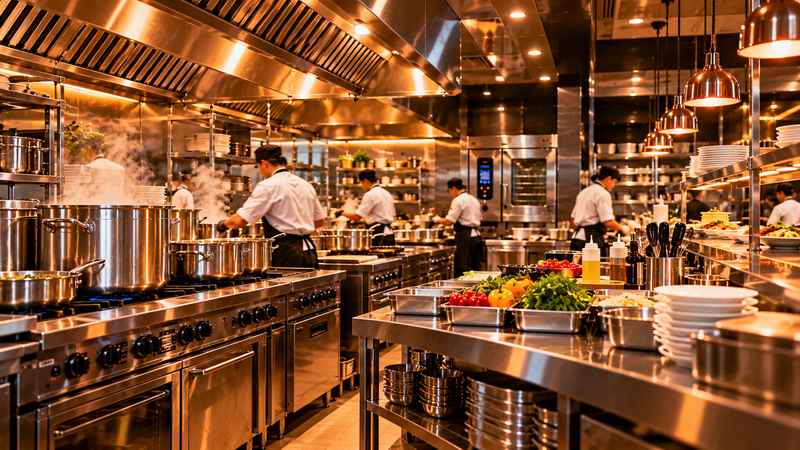
High-volume restaurant kitchens need equipment and kitchenware that can handle continuous preparation, repeated washing, high temperatures and demanding service periods. When a restaurant serves hundreds of meals daily, weak cookware, limited storage or unsuitable utensils can slow production and increase replacement costs.
The best high volume restaurant kitchen equipment should be durable, practical, easy to clean and compatible with the kitchen’s workflow. Products must also support efficient preparation, portion control, food storage, cooking, plating and dispatch.
For restaurants, hotels, catering companies and central kitchens in the UAE, choosing heavy-duty products is an important part of operational planning. This guide explains the essential commercial kitchen tools and durable kitchenware products required for high-volume foodservice.
What Is a High-Volume Restaurant Kitchen?
A high-volume restaurant kitchen prepares and serves a large number of meals within a limited period. It may operate during busy breakfast, lunch and dinner services or support multiple delivery and catering orders.
High-volume kitchens may include:
- Hotel kitchens
- Large casual restaurants
- Buffet restaurants
- Fast-food operations
- Catering kitchens
- Central production kitchens
- Cloud kitchens
- Restaurant groups
- Food halls
- Institutional foodservice
These kitchens require equipment that supports speed, consistency, safety and easy maintenance.
Why Heavy-Duty Kitchenware Matters
High-volume kitchens place greater pressure on products than domestic or low-volume environments.
Cookware, utensils and storage products may be exposed to:
- Long operating hours
- High temperatures
- Repeated washing
- Heavy ingredients
- Constant handling
- Stacking
- Transportation
- Multiple staff shifts
- Peak service pressure
Heavy-duty kitchenware can help businesses achieve:
- Longer product service life
- Fewer replacements
- Faster preparation
- Better staff workflow
- More consistent food quality
- Improved food safety
- Better cost control
Businesses can explore commercial kitchenware and restaurant supplies for high-volume foodservice operations.
Main Product Categories for High-Volume Kitchens
A professional purchasing plan should include:
- Heavy-duty cookware
- Commercial kitchen utensils
- Professional knives
- Cutting boards
- GN pans and storage containers
- Food preparation equipment
- Buffet and serving products
- Tableware and glassware
- Cleaning and maintenance supplies
- Reserve and replacement stock
Each category should be matched to the restaurant’s menu and daily output.
Heavy-Duty Cookware
Cookware is one of the most important investments in a high-volume kitchen. It should be suitable for the heat source, menu, production quantity and cleaning process.
Stainless Steel Stockpots
Stockpots are essential for large-batch cooking.
They may be used for:
- Soups
- Stocks
- Pasta
- Rice
- Curries
- Sauces
- Boiled vegetables
- Catering portions
When selecting stockpots, consider:
- Capacity
- Wall thickness
- Base construction
- Handle strength
- Lid fit
- Weight
- Storage requirements
- Cooktop compatibility
Large kitchens may need several capacities to support different recipes and production volumes.
Heavy-Duty Frying Pans
Frying pans are used for:
- Eggs
- Vegetables
- Seafood
- Meat
- Breakfast dishes
- Sauteed ingredients
- Pancakes
- Sauces
A high-volume kitchen should choose pans with strong handles, suitable surfaces and reliable heat performance.
Consider:
- Diameter
- Pan depth
- Material
- Coating
- Handle design
- Heat distribution
- Induction suitability
- Cleaning requirements
Saute Pans
Saute pans are suitable for food that requires tossing, simmering or combining ingredients.
They may be used for:
- Vegetables
- Meat
- Seafood
- Pasta sauces
- One-pan dishes
- Reductions
- Mixed preparations
Higher sides can help reduce spills during busy cooking.
Sauce Pans
Sauce pans support the preparation of:
- Gravy
- Cream sauces
- Tomato sauce
- Custards
- Dessert sauces
- Reductions
- Soup portions
Keep several sizes available if the menu includes sauces prepared in different quantities.
Roasting Pans
Roasting pans are useful for:
- Poultry
- Roast meat
- Vegetables
- Lasagna
- Banquet dishes
- Large catering portions
Check that the pan fits the oven and can be moved safely when fully loaded.
Grill Pans
Grill pans may be used for:
- Steaks
- Chicken
- Seafood
- Vegetables
- Sandwiches
- Grilled bread
Select products according to the cooking surface, heat source and cleaning system.
Woks
Woks are useful for high-heat cooking, especially in restaurants serving Asian dishes.
They may be used for:
- Stir-fries
- Noodles
- Fried rice
- Vegetables
- Meat
- Seafood
Baking and Pizza Trays
Restaurants and bakeries may require:
- Baking trays
- Pizza trays
- Perforated trays
- Roasting trays
- Cake pans
- Pastry trays
- Loaf pans
- Muffin trays
Businesses can explore commercial cookware and bakeware for high-volume production.
Commercial Kitchen Tools

High-volume kitchens need tools that are strong, easy to clean and available in sufficient quantities.
Ladles
Ladles are used for soups, sauces, curries, gravies and stews. Different sizes support portion control and different container depths.
Whisks
Whisks are used for:
- Eggs
- Cream
- Sauces
- Batters
- Dressings
- Custards
- Marinades
Stainless steel whisks are common in professional kitchens because they are durable and easy to clean.
Spatulas
Spatulas help chefs scrape, fold, mix and transfer food.
Common options include:
- Silicone spatulas
- Rubber spatulas
- Stainless steel spatulas
- Offset spatulas
- High-heat spatulas
Select the material according to the cookware and temperature.
Tongs
Tongs are used for meat, vegetables, salad, pasta, bread, pastries and buffet service.
A high-volume kitchen may require:
- Short plating tongs
- Long grill tongs
- Salad tongs
- Buffet tongs
- Pastry tongs
- Locking tongs
Turners
Turners are used to lift and flip food on grills, frying pans and flat cooking surfaces.
Solid turners may be suitable for burgers and pancakes, while slotted turners allow oil or liquid to drain.
Skimmers
Skimmers are used for removing foam and solid ingredients from liquids. They are useful for stocks, soups, boiling vegetables and frying operations.
Strainers
Strainers support:
- Sauces
- Soups
- Stocks
- Pasta
- Vegetables
- Tea
- Coffee
- Flour
- Purees
Scrapers
Scrapers help remove dough and food residue from worktops, bowls and containers. They are particularly useful in bakeries, pizza kitchens and pastry stations.
Businesses can review commercial kitchen utensils and accessories for high-volume preparation.
Professional Knives
Knives are used throughout the kitchen and should be selected for specific preparation tasks.
A high-volume restaurant may need:
- Chef knives
- Paring knives
- Bread knives
- Boning knives
- Butcher knives
- Fillet knives
- Carving knives
- Cleavers
- Utility knives
- Sharpening steels
Chef Knives
Chef knives are used for general food preparation, including vegetables, herbs, fruit and meat.
Boning Knives
Boning knives are suitable for poultry, meat and fish preparation. Choose flexible or stiff blades according to the task.
Bread Knives
Bread knives are essential for bakeries, sandwich restaurants and breakfast kitchens.
Butcher Knives
Butcher knives support trimming, breaking and portioning larger cuts of meat.
Knife Storage
High-volume kitchens should use:
- Magnetic knife holders
- Knife blocks
- Wall racks
- Knife cases
- Dedicated drawers
Store knives safely and maintain a regular sharpening schedule.
Explore professional chef knives for restaurants, hotels and food production kitchens.
Cutting Boards for Commercial Kitchens
Cutting boards should be stable, food-safe and easy to sanitise.
A high-volume kitchen may need separate boards for:
- Meat
- Poultry
- Fish
- Vegetables
- Fruit
- Bread
- Cooked food
- Bakery products
Colour-Coded Systems
Colour coding can help staff identify the correct board for each food group. The system should be clearly communicated and applied consistently.
Board Material
Consider:
- Non-porous construction
- Resistance to deep cuts
- Stability
- Ease of cleaning
- Size
- Thickness
- Storage method
Replace boards when they develop deep grooves, cracks or other damage.
GN Pans and Food Storage
GN pans and food containers are essential for high-volume preparation, storage and service.
GN Pans
GN pans can support:
- Ingredient preparation
- Batch cooking
- Refrigeration
- Food storage
- Buffet presentation
- Replenishment
- Transportation
Choose sizes and depths that match the kitchen’s refrigerators, ovens, counters and chafing dishes.
Stainless Steel GN Pans
Stainless steel pans are suitable for hot food, cooking and heavy-duty service.
Polycarbonate Food Pans
Polycarbonate pans can be useful for cold storage and ingredient visibility. Check temperature and cleaning specifications before use.
Food Storage Containers
Containers may be used for:
- Flour
- Sugar
- Rice
- Pasta
- Spices
- Sauces
- Vegetables
- Meat
- Cheese
- Prepared food
- Coffee beans
Choose stackable containers with secure lids and clear labelling areas.
Explore GN pans and food storage containers for commercial kitchen organisation.
Ingredient Storage and Preparation

High-volume kitchens need quick access to ingredients without creating clutter.
Ingredient Bins
Ingredient bins are useful for flour, rice, sugar and dry products. They should be easy to clean, label and access.
Squeeze Bottles
Squeeze bottles can hold:
- Sauces
- Dressings
- Mayonnaise
- Ketchup
- Syrups
- Oils
- Dessert toppings
Measuring Scales
Scales help standardise:
- Ingredient quantities
- Dough portions
- Meat portions
- Sauce portions
- Catering quantities
Mixing Bowls
Mixing bowls are used for sauces, salads, dough, batters and marinades. Stainless steel bowls are suitable for repeated commercial use.
Equipment for High-Volume Buffet Service
Hotels, buffet restaurants and catering operations need equipment that supports continuous display and replenishment.
Chafing Dishes
Chafing dishes help keep food warm during service.
They may be used for:
- Rice
- Pasta
- Meat
- Vegetables
- Curries
- Soups
- Sauces
- Breakfast dishes
Choose the size, lid design and heating method according to the venue and menu.
Buffet Serving Utensils
Each buffet dish should have a suitable utensil:
- Ladles for soup and sauces
- Tongs for meat and vegetables
- Serving spoons for rice and pasta
- Serving forks for selected dishes
- Small spoons for desserts
Food Warmers
Electric, induction and fuel-based warmers may be suitable for different service environments.
Food Labels
Labels help guests and staff identify:
- Dish names
- Ingredients
- Allergens
- Vegetarian products
- Spicy dishes
- Dietary information
Businesses can explore commercial buffetware and chafing dishes.
Restaurant Tableware for High-Volume Service
High-volume restaurants require tableware that can handle fast turnover, frequent washing and regular handling.
A restaurant may need:
- Dinner plates
- Side plates
- Soup bowls
- Pasta bowls
- Dessert plates
- Serving platters
- Cups
- Saucers
- Breakfast bowls
Choosing Durable Crockery
Consider:
- Material
- Chip resistance
- Stackability
- Weight
- Plate size
- Dishwasher suitability
- Replacement availability
Explore commercial crockery for restaurants, hotels and catering operations.
Cutlery Requirements
A high-volume restaurant should keep sufficient quantities of:
- Table knives
- Table forks
- Table spoons
- Dessert spoons
- Dessert forks
- Teaspoons
- Steak knives
- Serving spoons
- Serving forks
Stainless steel cutlery is practical for repeated commercial washing.
Businesses can review commercial cutlery for high-turnover foodservice.
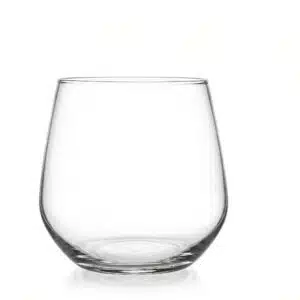
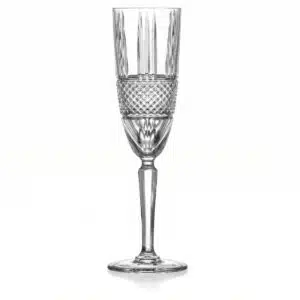
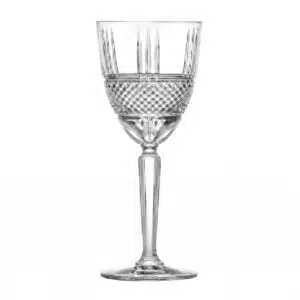
Glassware Requirements
High-volume restaurants may need:
- Water glasses
- Tumblers
- Juice glasses
- Wine glasses
- Beer glasses
- Cocktail glasses
- Shot glasses
- Iced beverage glasses
Choose practical sizes and maintain reserve stock for breakage and washing cycles.
Explore commercial glassware for restaurant, hotel and bar service.
Serving Trays and Transport Products
Serving trays help staff transport food and drinks efficiently.
A high-volume operation may need:
- Non-skid beverage trays
- Stainless steel trays
- Cafeteria trays
- Room service trays
- Fast-food trays
- Dessert trays
- Food transport trays
Non-Skid Trays
Non-skid surfaces help reduce movement when staff carry beverages and tableware.
Stainless Steel Trays
Stainless steel trays offer a strong and professional option for hotel, banquet and restaurant service.
Food Transport Containers
Insulated containers may be useful for:
- Catering
- Central kitchens
- Delivery
- Hotel banquets
- Outdoor events
- Large-volume food movement
High-Volume Kitchen Cleaning Products
Cleaning is essential in a kitchen that operates continuously.
A professional cleaning setup may include:
- Food-safe detergents
- Sanitising products
- Dishwashing brushes
- Scrub pads
- Microfibre cloths
- Degreasers
- Oven brushes
- Grill scrapers
- Drying racks
- Waste bins
- Cleaning buckets
- Handwashing accessories
Cleaning During Service
Staff should clean high-touch and food-contact surfaces throughout every shift.
Cleaning Cookware
Cookware should be cleaned according to the material and manufacturer’s instructions. Avoid unsuitable abrasive products on coated surfaces.
Cleaning Knives and Utensils
Wash, sanitise and dry knives and utensils after use. Store them in clean, designated locations.
Cleaning Food Storage Containers
Food containers should be emptied, washed, sanitised and dried before reuse.
How to Choose Restaurant Equipment Supplier UAE Businesses Need
A reliable supplier can help restaurants source multiple categories of professional equipment.
Product Range
Look for a supplier that offers:
- Cookware
- Kitchen utensils
- Knives
- Storage containers
- GN pans
- Crockery
- Cutlery
- Glassware
- Buffetware
- Serving trays
Commercial Suitability
Check that the products are designed for professional foodservice and can handle frequent use.
Bulk Availability
High-volume restaurants need sufficient quantities and reliable restocking.
Replacement Options
Choose products that can be reordered when damaged, lost or needed for new branches.
Product Information
Online product information should clearly show:
- Dimensions
- Capacity
- Material
- Intended use
- Cleaning instructions
- Product variations
- Pack quantity
Delivery and Project Support
Restaurant openings, hotel projects and branch expansions may require coordinated deliveries and commercial quotations.
How to Control Costs in a High-Volume Kitchen
Standardise Products
Use the same products across similar workstations or branches where possible.
Buy High-Use Products in Suitable Quantities
Purchase extra quantities of frequently used utensils, plates, glasses, containers and GN pans.
Choose Multipurpose Tools
Versatile pans, bowls, containers and utensils can reduce the number of products required.
Maintain Reserve Stock
Keep additional products for:
- Breakage
- Washing cycles
- Staff training
- Events
- New branches
- Supplier delays
Track Product Usage
Monitor damaged, lost and frequently replaced products. This can show where better storage or staff training is needed.
Invest in Durable Products
A stronger product may cost more initially but provide better long-term value in a demanding kitchen.
Common Buying Mistakes
Buying Household Products
Domestic cookware and utensils may not withstand continuous commercial use.
Choosing Only by Price
The lowest price may result in higher replacement and maintenance costs.
Ignoring Storage
Large quantities of cookware, containers, trays and tableware require planned storage.
Buying Too Many Different Sizes
Too many sizes can complicate ordering, storage and staff training.
Forgetting Equipment Compatibility
GN pans, cookware, trays, lids and shelves should work with the existing kitchen system.
Underestimating Peak Demand
A restaurant should plan for weekends, holidays, events and busy service periods.
Neglecting Reserve Stock
Breakage and washing cycles can quickly reduce the available quantity of high-use items.
Ordering Without Testing
Test products for comfort, size, durability, cleaning and compatibility before ordering in bulk.
Frequently Asked Questions
What is high-volume restaurant kitchen equipment?
It includes cookware, utensils, knives, storage products, GN pans, food warmers, buffetware, tableware and other products designed to support large-scale food preparation and service.
What cookware is best for a busy restaurant?
Stainless steel stockpots, heavy-duty frying pans, sauce pans, saute pans, roasting pans and suitable specialty cookware are practical options for busy kitchens.
How many kitchen utensils does a high-volume restaurant need?
The quantity depends on the number of workstations, staff, shifts, menu and daily covers. Restaurants should keep enough tools for simultaneous preparation and washing cycles.
Why are GN pans useful in high-volume kitchens?
GN pans support batch preparation, ingredient storage, refrigeration, buffet service, transportation and fast replenishment.
What tableware should a busy restaurant buy?
A busy restaurant should purchase durable dinner plates, side plates, bowls, dessert plates, cups, cutlery, water glasses and serving platters.
How can restaurants reduce equipment replacement costs?
Restaurants can reduce replacement costs by choosing durable products, training staff, using suitable storage, maintaining equipment and tracking breakage.
What cleaning products are needed in a commercial kitchen?
A commercial kitchen may need food-safe detergents, sanitising products, brushes, scrub pads, degreasers, cloths, drying racks and waste bins.
How do I choose a restaurant equipment supplier?
Compare product range, commercial quality, availability, delivery, bulk support, technical specifications and replacement options.
Where can I buy durable kitchenware in the UAE?
Restaurants, hotels and catering companies can source durable commercial kitchenware from specialised hospitality suppliers such as Horeca Hut.
Final Recommendation
The best high volume restaurant kitchen equipment should be selected according to the menu, daily production, service volume, kitchen layout and cleaning system.
A practical high-volume kitchen setup may include:
- Heavy-duty cookware
- Stainless steel stockpots
- Commercial frying pans
- Sauce pans
- Saute pans
- Roasting pans
- Professional knives
- Cutting boards
- Ladles
- Whisks
- Spatulas
- Tongs
- Strainers
- GN pans
- Food storage containers
- Chafing dishes
- Food warmers
- Serving trays
- Crockery
- Cutlery
- Glassware
- Cleaning supplies
Before purchasing, evaluate:
- Material
- Capacity
- Durability
- Heat resistance
- Compatibility
- Cleaning requirements
- Storage
- Replacement availability
- Bulk quantities
- Delivery requirements
For a complete high-volume restaurant kitchen setup, explore:
- Commercial Kitchenware
- Heavy-Duty Cookware
- Commercial Kitchen Utensils
- Professional Knives
- GN Pans and Food Storage
- Commercial Crockery
- Commercial Cutlery
- Commercial Glassware
- Commercial Tableware
- Buffetware and Food Warmers
Durable kitchenware and well-planned commercial tools help high-volume restaurants improve speed, maintain consistency and control operating costs across demanding foodservice operations in the UAE.


