
Fast Food Restaurant Kitchen Layout for Speed & Efficiency Leave a comment
Fast Food Restaurant Kitchen Layout for Speed & Efficiency: Design Your Kitchen for Success
The layout of your fast food kitchen layout is crucial for the smooth operation of your restaurant. When it comes to fast food, speed and efficiency are everything. A well-thought-out kitchen design helps staff work efficiently, ensures food is prepared consistently, and minimizes wait times for customers. Whether you’re designing a kitchen for a new fast food restaurant or upgrading your existing space, understanding the principles of an effective fast food kitchen layout can make all the difference.
In this article, we’ll guide you through the key elements of a fast food kitchen layout, offering tips on how to optimize your space for speed, efficiency, and safety. We’ll also highlight how the right layout can help reduce operational costs and improve overall customer satisfaction.
Why Is a Well-Designed Fast Food Kitchen Layout So Important?
A fast food kitchen layout is the foundation of any successful fast food operation. An effective layout will improve workflow, reduce food preparation times, and streamline order fulfillment. A poorly designed kitchen, on the other hand, can lead to bottlenecks, safety hazards, and high operational costs.
The right layout allows kitchen staff to:
- Work more efficiently, reducing prep and cook times.
- Minimize the risk of cross-contamination and maintain high levels of food safety.
- Reduce unnecessary movements, saving time and energy during busy hours.
- Enhance customer satisfaction by ensuring fast service.
read more : Fast Food Restaurant Kitchen Equipment & Setup Guide in UAE
By optimizing your fast food kitchen layout, you’ll create a space that supports your restaurant’s needs while maximizing productivity.
Key Principles of a Functional Fast Food Kitchen Layout
- The Assembly Line Approach: Streamlining Workflow
One of the most effective ways to design your fast food kitchen layout is by adopting an assembly line approach. This design method focuses on creating a linear flow from the moment ingredients arrive in the kitchen to when the finished food is handed over to customers.
In a well-organized assembly line, each staff member performs a specific task without unnecessary backtracking. For example:
- Receiving and Storage: Ingredients are delivered and immediately placed in cold storage units, such as refrigerators and freezers.
- Prep Area: Staff prepares ingredients, like chopping vegetables or marinating meats.
- Cooking Station: The cooking area includes grills, fryers, and ovens, where food is cooked quickly.
- Assembly and Plating: The final stage where food is assembled and served.
This straightforward approach minimizes distractions, allows kitchen staff to focus on one task at a time, and helps reduce mistakes.
- Separate Hot and Cold Zones for Safety and Efficiency
To optimize the fast food kitchen layout for speed, it’s important to keep hot and cold items separate. This not only helps in maintaining food safety but also keeps ingredients at the proper temperatures during different stages of food preparation.
Create clear, defined areas for:
- Hot Food Preparation: Fryers, grills, and ovens should be located together in one area to create an efficient cooking zone.
- Cold Food Storage and Prep: Refrigerators, salad stations, and sandwich prep areas should be placed in separate zones, away from the heat sources.
This separation reduces the risk of cross-contamination and ensures that ingredients are stored and cooked at their optimal temperatures. It also enhances speed, as staff can quickly access the necessary tools and ingredients without crossing over to different areas of the kitchen.
- Maximize Vertical and Horizontal Space
In any kitchen, space is often limited. A well-designed fast food kitchen layout takes advantage of both vertical and horizontal space. Vertical storage helps to free up floor space and maintain an organized workspace. For example:
- Wall-mounted shelves: Use wall-mounted shelves for storing small kitchen tools, spices, and packaged goods.
- Overhead racks: Store utensils or trays overhead to keep the prep areas clear.
- Under-counter storage: Maximize the use of cabinets and storage units beneath countertops to store ingredients, cleaning supplies, or small equipment.
Horizontal space is equally important. Ensure that counters are wide enough to accommodate staff performing various tasks at once. Designate specific areas for ingredient prep, cooking, and assembly to minimize congestion and make it easier for employees to work.
- Efficient Traffic Flow and Staff Movement
The movement of staff is crucial to the overall efficiency of your fast food kitchen layout. When kitchen staff move unnecessarily, it wastes time and slows down the entire operation. Design your kitchen with clear paths to reduce congestion and allow staff to flow smoothly between stations.
Consider these tips:
- Short distances: Keep frequently used tools and ingredients close to the cooking and prep stations.
- One-way traffic: Arrange equipment and stations to allow staff to work in a one-way direction. This reduces unnecessary crossing over and keeps things running efficiently.
- Minimize foot traffic: Ensure that food delivery and dishwashing areas don’t interfere with cooking and prep zones.
By minimizing unnecessary movement, you’ll help your kitchen staff stay focused and work faster, leading to quicker order turnaround times.
- Incorporate Ergonomics into Your Kitchen Design
Speed and efficiency aren’t just about layout; they also depend on ergonomics. Kitchen staff will work more efficiently when they’re comfortable, and an ergonomic layout can help prevent strain and injury during long shifts.
Here are a few ergonomic tips to enhance your fast food kitchen layout:
- Counter Height: Ensure that prep counters are at an optimal height to reduce back and arm strain. This is particularly important for staff who do repetitive tasks like chopping or assembling food.
- Workstations: Create separate workstations with enough space for staff to operate without crowding. This helps keep the workflow smooth and efficient.
- Non-slip Flooring: Installing non-slip floors helps prevent accidents and keeps kitchen staff safe during busy hours when things can get slippery.
- Flexible Layout for Different Service Styles
Some fast food restaurants may offer counter service, drive-thru, or even delivery. Your fast food kitchen layout should be adaptable to different service styles. Here’s how:
- Drive-thru Window: If you offer drive-thru service, position the order station and food assembly area in a way that ensures quick access to the drive-thru window. Consider an additional prep area dedicated solely to drive-thru orders.
- Takeout and Dine-in Areas: Make sure your layout allows for efficient food packaging for takeout orders while still maintaining the speed and quality of dine-in orders.

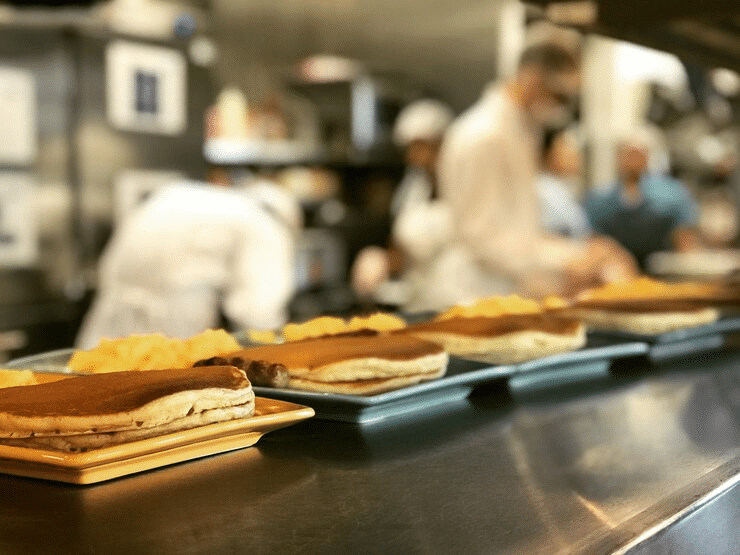
A flexible kitchen layout can cater to both types of service and ensure that no matter how customers are ordering, the kitchen operates seamlessly.
Ready to upgrade your kitchen? Explore the best restaurant kitchen equipment in the UAE today and take your business to the next level. Click here to discover top-quality solutions that will streamline your operations and boost efficiency
Key Kitchen Equipment for an Efficient Fast Food Kitchen Layout
The layout of your kitchen is only as effective as the equipment you choose. Here’s a list of essential kitchen tools that support a high-speed, efficient fast food kitchen layout:
- Commercial Fryers: To prepare large quantities of fried food quickly.
- Grills and Griddles: For fast cooking of burgers, sandwiches, and other grilled items.
- Refrigerators and Freezers: Essential for keeping ingredients fresh and stored properly.
- Prep Tables: Provide space for chopping, slicing, and assembling ingredients.
- Ovens and Convection Ovens: Important for baking and cooking fast, consistent food.
- Dishwashing Stations: A commercial dishwasher and washing area to keep kitchenware clean and ready for use.
read more : Fast Food Kitchen Equipment List by Menu Type
Conclusion: A Well-Designed Fast Food Kitchen Layout Equals Success
A successful fast food kitchen layout is about more than just fitting equipment into a space. It’s about creating an environment that maximizes speed, efficiency, and food quality while ensuring safety and ease of movement for your kitchen staff. By considering the principles outlined in this guide, such as optimizing workflow, maintaining a separation of hot and cold areas, and maximizing space, you can design a kitchen that supports your restaurant’s goals.
Whether you’re opening a new fast food restaurant or revamping an existing one, focusing on a kitchen layout that enhances efficiency will pay off in the long run. Remember, a smart layout is not just a convenience – it’s an investment in the overall success of your restaurant.
Ready to upgrade your kitchen? Explore the best restaurant kitchen equipment in the UAE today and take your business to the next level. Click here to discover top-quality solutions that will streamline your operations and boost efficiency