














Introduction: The Unsung Hero of a Café Kitchen
In a fast-paced café kitchen, precision, hygiene, and efficiency are paramount. While chefs often focus on the knives they use or the stove they cook on, there’s one essential tool that often goes unnoticed: the cutting board. The best cutting boards for cafes are an essential part of the food preparation process, and choosing the right one can significantly improve your kitchen’s workflow, safety, and food quality.
Imagine a busy café morning rush: you’re chopping fresh vegetables for salads, slicing fruits for smoothies, and preparing sandwiches—all tasks that demand a reliable cutting surface. Having a cutting board that is durable, easy to clean, and safe for food prep is crucial to maintaining a smooth operation. In this article, we’ll explore the factors that make cutting boards ideal for café kitchens and recommend some of the best options to consider for your café.
Let’s delve into how the right cutting board can enhance your food preparation process and make your café kitchen more efficient.
Why Choosing the Right Cutting Board Matters for Cafes
Durability and Longevity
Café kitchens are busy places, and your cutting board needs to withstand constant use. Whether it’s slicing through vegetables, fruits, meats, or even bread, a durable cutting board ensures that your prep work remains efficient, clean, and consistent. Choosing the best cutting boards for cafes means finding materials that can endure heavy-duty use and last over time without warping or cracking.
Safety and Hygiene
Safety is always a priority in any professional kitchen. A poorly chosen cutting board can increase the risk of cross-contamination between raw meats, vegetables, and other ingredients. The best cutting boards for cafes should be non-porous and easy to clean, preventing bacteria from harboring in grooves and cracks. Additionally, choosing a board with non-slip features helps prevent accidents in a fast-moving environment.
Food Quality and Presentation
The right cutting board affects not only the safety and cleanliness of your kitchen but also the quality of your food. A high-quality board allows for smooth, clean cuts, which preserve the freshness and appearance of ingredients. This is especially important in a café, where the presentation of fresh produce or sliced meats plays a key role in delivering great food to your customers.
read more : Best Kitchen Knives for Coffee Shop Kitchens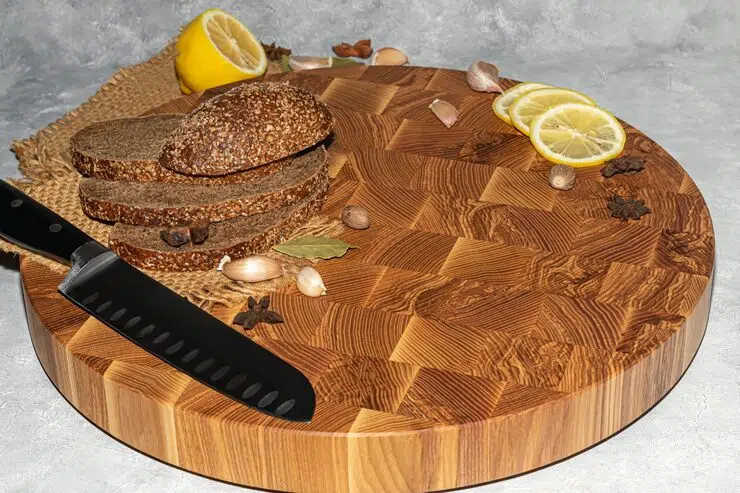
The Best Types of Cutting Boards for Café Kitchens
Choosing the best cutting board for a café kitchen depends on your specific needs and how you plan to use it. Below, we’ll explore the best cutting boards for cafes, based on the most common tasks in a café setting.
1. Wooden Cutting Boards: The Classic Choice
Wooden cutting boards are a staple in most kitchens, thanks to their durability, aesthetic appeal, and ability to preserve knife edges. They are particularly suited for cutting fruits, vegetables, and bread, and they don’t dull knives as quickly as plastic or glass boards.
Why Choose Wooden Cutting Boards?
- Gentle on knives: Wooden boards preserve the sharpness of your blades.
- Durable: They can last for years if properly maintained.
- Hygienic: Wood has natural anti-bacterial properties, reducing the risk of cross-contamination.
Recommended Wooden Cutting Board: John Boos Maple Wood Cutting Board
The John Boos Maple Wood Cutting Board is a classic choice for many kitchens. Its durable hardwood construction offers great performance for slicing vegetables, fruits, and other café staples.
2. Plastic Cutting Boards: Lightweight and Easy to Clean
Plastic cutting boards are lightweight, easy to clean, and often more affordable than wooden boards. They are commonly used in cafés for tasks like cutting sandwiches, fruits, and other quick-prep items. The best plastic cutting boards for cafes are made from non-porous, food-grade plastic that resists stains and odors.
Why Choose Plastic Cutting Boards?
- Lightweight: Easy to maneuver and move around.
- Affordable: Often cheaper than wood or bamboo options.
- Easy to clean: Can be washed in a dishwasher for convenience.
Recommended Plastic Cutting Board: OXO Good Grips Plastic Cutting Board
OXO’s plastic cutting board features a non-slip surface and is dishwasher safe, making it ideal for a café kitchen where cleaning efficiency is key.
3. Bamboo Cutting Boards: Eco-Friendly and Durable
Bamboo cutting boards are an eco-friendly alternative to traditional wooden boards. Bamboo is a sustainable material that is harder and denser than most woods, providing a durable and knife-friendly surface. Bamboo is also less likely to retain odors, making it a great option for a café kitchen.
Why Choose Bamboo Cutting Boards?
- Sustainable: Bamboo grows quickly and is a renewable resource.
- Durable: Harder than most wood, making it resistant to knife marks.
- Aesthetic appeal: Bamboo has a sleek, modern look that fits well in café kitchens.
Recommended Bamboo Cutting Board: Totally Bamboo Cutting Board
This bamboo cutting board is durable, lightweight, and easy to clean, making it a great choice for cutting vegetables, fruits, and cheeses in a café setting.
4. Composite Cutting Boards: The Durable, All-In-One Solution
Composite cutting boards are made from a mixture of materials, often combining plastic and wood fibers. These boards offer the durability of wood with the easy maintenance of plastic. They are highly resistant to cuts and stains, making them perfect for busy environments like cafés.
Why Choose Composite Cutting Boards?
- Durable and long-lasting.
- Resistant to scratches, cuts, and stains.
- Easy to clean and maintain.
Recommended Composite Cutting Board: Epicurean Kitchen Series Cutting Board
Epicurean cutting boards are known for their durability, resistance to knife marks, and ease of cleaning. This board is perfect for cafés that need a versatile and long-lasting option.
read more : Fast Food Kitchen Equipment List : Complete Guide for 2026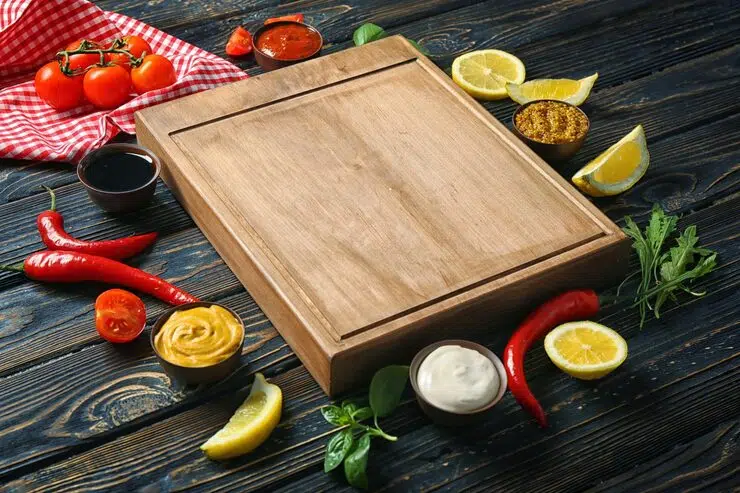
Factors to Consider When Choosing the Best Cutting Board for a Café
When selecting the best cutting boards for cafes, it’s essential to take several factors into consideration to ensure that the board meets the demands of a busy kitchen.
1. Size and Thickness
The size of the cutting board should accommodate the volume of food preparation your café requires. Larger boards are ideal for chopping vegetables, slicing meats, and preparing large quantities, while smaller boards are better suited for quick tasks like cutting sandwiches or fruits. Choose a thickness that provides stability but doesn’t take up too much space in your kitchen.
2. Material and Knife Compatibility
As we discussed, different materials have varying degrees of impact on your knives. Wooden and bamboo boards are gentler on knife edges, while plastic or composite boards may cause more wear and tear. Consider the types of knives used in your kitchen and choose a board that will preserve their sharpness.
3. Easy Maintenance
In a café kitchen, time is of the essence, so you need cutting boards that are easy to clean and maintain. Boards that are dishwasher-safe, like plastic and composite options, can save time during the cleaning process. Wooden boards require a little more care (such as occasional oiling), but they can last for years with proper maintenance.
4. Non-Slip Features
A non-slip cutting board is essential for safety, especially in a busy kitchen environment. Look for cutting boards with rubber feet or textured surfaces that prevent slipping during use.
5. Hygiene
Choose cutting boards that are non-porous and resistant to stains. This ensures that bacteria and odors don’t get trapped in grooves or cracks, which could compromise food safety. Materials like plastic, composite, and bamboo are generally more hygienic than wood when it comes to cleaning.
How to Care for Your Cutting Boards
Proper care and maintenance can prolong the life of your cutting board. Here are some tips for keeping your cutting boards in top shape:
1. Clean Regularly
After each use, wash your cutting board with warm soapy water and dry it thoroughly. Plastic and composite boards can be washed in the dishwasher, while wooden and bamboo boards should be hand-washed to prevent damage.
2. Oiling Wooden Boards
Wooden cutting boards should be oiled periodically with mineral oil or food-safe wood oil to prevent cracking and drying out.
3. Avoid Cross-Contamination
Designate different cutting boards for different food types (e.g., raw meats, vegetables, bread) to reduce the risk of cross-contamination.
read more : Fast Food Restaurant Kitchen Layout for Speed & Efficiency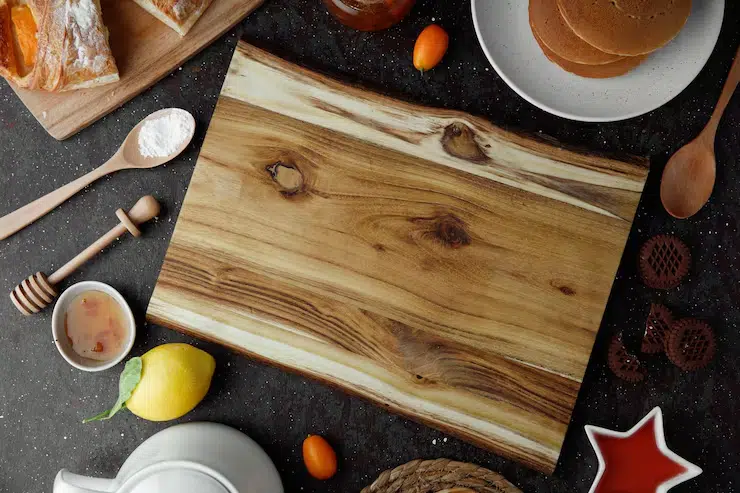
Frequently Asked Questions (FAQ)
Q1: What is the best cutting board material for cafes?
The best cutting board material for cafes depends on your specific needs. Wooden boards are great for preserving knife edges, while plastic and composite boards are easier to clean and maintain.
Q2: Can I use the same cutting board for vegetables and meats?
It’s best to have separate cutting boards for raw meats and vegetables to avoid cross-contamination. Consider using color-coded boards to make this distinction clear.
Q3: How often should I replace my cutting board in a café?
If maintained properly, cutting boards can last for several years. However, if the board becomes deeply scratched, cracked, or stained, it’s time to replace it.
Q4: Are bamboo cutting boards safe for food preparation?
Yes, bamboo cutting boards are safe for food preparation. They are durable, hygienic, and eco-friendly, making them an excellent choice for cafes.
Q5: What size cutting board is best for a café kitchen?
A medium to large cutting board (18 x 24 inches or larger) is ideal for most café kitchens. Smaller boards are useful for quick tasks, but larger boards provide more space for food prep.
Q6: Can I use a plastic cutting board for all types of food?
Plastic cutting boards are versatile and can be used for most food types. However, they are not as knife-friendly as wood, so frequent use with sharp knives may cause them to wear down over time.
Q7: How do I prevent my cutting board from slipping?
To prevent slipping, look for cutting boards with non-slip feet or textured surfaces. You can also use a damp cloth underneath the board for added stability.
Conclusion
The best cutting boards for cafes are a crucial investment in your kitchen’s functionality, hygiene, and food quality. By selecting the right board, whether it’s wood, plastic, bamboo, or composite, you can enhance your food preparation process and maintain a safe, efficient working environment. When purchasing, consider factors such as size, material, ease of cleaning, and knife compatibility.
Ready to upgrade your kitchen tools? Check out our wide selection of high-quality cutting boards for your café.


