

Stainless Steel vs Aluminum Cookware for Coffee Shop Kitchens Leave a comment
Running a successful coffee shop isn’t just about brewing the perfect espresso or crafting beautiful latte art—it’s also about what happens behind the scenes. Every piece of equipment in your kitchen plays a role in consistency, efficiency, and ultimately, customer satisfaction. One of the most overlooked yet critical decisions is choosing between stainless steel vs aluminum cookware.
If you’ve ever struggled with uneven heating, burnt sauces, or cookware that wears out too quickly under daily pressure, you already know how important this choice is. In a fast-paced coffee shop environment, your cookware must perform flawlessly—every single day.
This comprehensive guide dives deep into the debate of stainless steel vs aluminum cookware, helping you understand which material is best suited for your coffee shop kitchen. Whether you’re opening a new café or upgrading your current setup, this article will equip you with everything you need to make an informed, strategic decision.
What Is the Difference Between Stainless Steel vs Aluminum Cookware?
At its core, the difference between stainless steel vs aluminum cookware lies in composition, performance, durability, and maintenance.
Stainless Steel Cookware
Stainless steel is an alloy made primarily of iron, chromium, and sometimes nickel. It is known for its durability, resistance to rust, and non-reactive nature.
Aluminum Cookware
Aluminum cookware is made from lightweight metal that conducts heat extremely well. It’s often anodized to improve durability and reduce reactivity.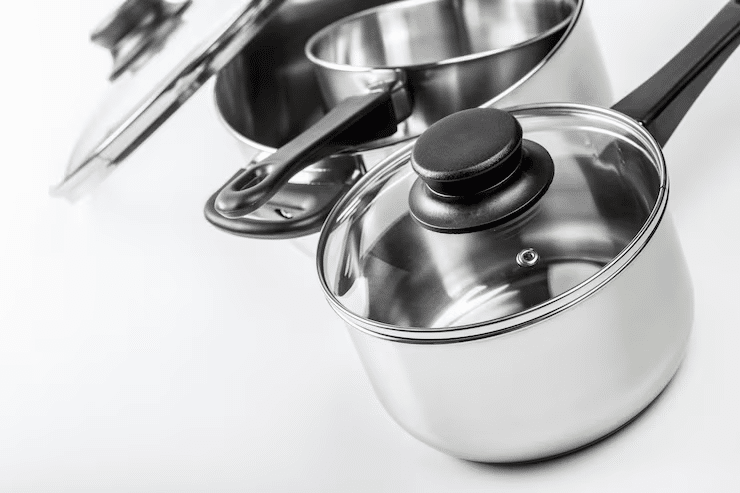
Quick Comparison Table
| Feature | Stainless Steel | Aluminum |
| Heat Conductivity | Moderate | Excellent |
| Durability | Very High | Moderate |
| Weight | Heavy | Lightweight |
| Reactivity | Non-reactive | Reactive (unless anodized) |
| Cost | Higher | Lower |
| Maintenance | Easy | Moderate |
Why Stainless Steel vs Aluminum Cookware Matters in Coffee Shop Kitchens
Coffee shop kitchens operate under unique conditions—limited space, high demand, and the need for speed without compromising quality.
Choosing between stainless steel vs aluminum cookware impacts:
- Cooking consistency (important for syrups, sauces, and small dishes)
- Speed of preparation during rush hours
- Longevity of equipment
- Food safety and taste
For example, overheating milk-based sauces in reactive cookware can alter flavor—something your customers will definitely notice.
read more : Plastic vs Wooden Cutting Boards for Cafe Kitchens
Stainless Steel vs Aluminum Cookware: Heat Conductivity and Performance
Aluminum: The Heat Champion
Aluminum heats up quickly and distributes heat evenly. This makes it ideal for:
- Fast-paced cooking
- Making syrups and caramel
- Heating milk or chocolate
However, it also cools down quickly, which can be both a benefit and a drawback.
Stainless Steel: Precision and Control
Stainless steel doesn’t conduct heat as well on its own, but high-quality cookware often includes an aluminum or copper core.
Benefits include:
- Better heat retention
- More controlled cooking
- Less risk of burning delicate ingredients
👉 Key Insight: In the debate of aluminum cookware vs stainless steel, aluminum wins in speed, but stainless steel wins in control.
Durability Showdown: Stainless Steel vs Aluminum Cookware
Durability is crucial in commercial kitchens where cookware is used continuously.
Stainless Steel Advantages
- Resistant to scratches and dents
- Doesn’t warp under high heat
- Long lifespan (often 10+ years)
Aluminum Limitations
- Can warp under high heat
- Prone to dents and scratches
- Shorter lifespan unless anodized
👉 For long-term investment, stainless steel vs aluminum cookware clearly favors stainless steel.
Food Safety and Reactivity: A Critical Comparison
Aluminum Reactivity
Uncoated aluminum can react with acidic foods like:
- Tomato-based sauces
- Citrus ingredients
- Coffee syrups
This can lead to:
- Metallic taste
- Discoloration
- Potential health concerns
Stainless Steel Safety
Stainless steel is non-reactive, making it ideal for:
- All food types
- Acidic ingredients
- Long cooking processes
👉 If your menu includes flavored syrups or acidic components, stainless steel vs aluminum cookware becomes a safety decision—not just a performance one.
Cost Analysis: Stainless Steel vs Aluminum Cookware
Budget matters, especially for new coffee shop owners.
Aluminum: Budget-Friendly
- Lower upfront cost
- Widely available
- Great for startups
Stainless Steel: Premium Investment
- Higher initial cost
- Long-term savings due to durability
- Better resale value
👉 In the long run, investing in stainless steel vs aluminum cookware often pays off.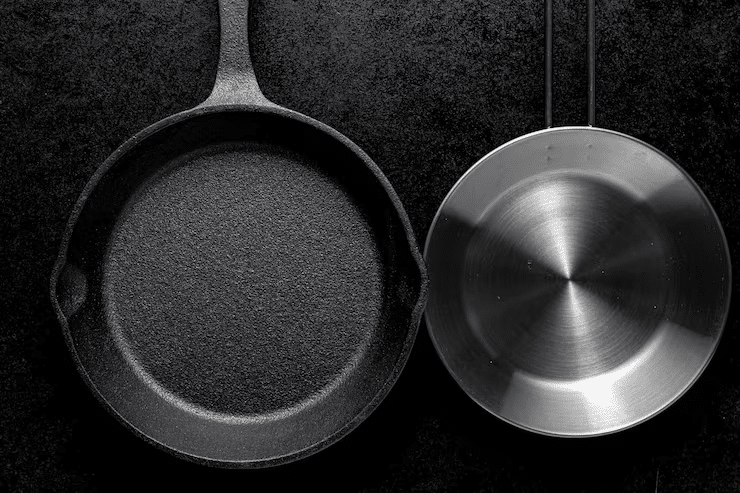
Maintenance and Cleaning Requirements
Stainless Steel
- Dishwasher safe
- Resistant to stains
- Easy to sanitize
Aluminum
- Can discolor over time
- Requires careful cleaning
- Not always dishwasher safe
👉 For busy baristas, stainless steel vs aluminum cookware favors ease and efficiency.
Weight and Handling in Busy Coffee Shops
Aluminum
- Lightweight
- Easy to handle
- Reduces fatigue during long shifts
Stainless Steel
- Heavier
- More stable on stovetops
- Feels more “professional”
👉 If your staff handles cookware frequently, weight becomes a key factor in aluminum cookware vs stainless steel decisions.
Best Use Cases in Coffee Shop Kitchens
When to Use Aluminum Cookware
- Quick heating tasks
- Boiling water
- Simple syrup preparation
When to Use Stainless Steel Cookware
- Milk-based sauces
- Chocolate melting
- Long simmering
Hybrid Cookware: The Best of Both Worlds
Many modern cookware options combine stainless steel with an aluminum core.
Benefits include:
- Even heat distribution
- Durability
- Non-reactive surface
👉 This hybrid approach often resolves the stainless steel vs aluminum cookware dilemma.
read more : How Much Do Cafe Kitchen Tools Cost for Small Coffee Shops?
Environmental Impact and Sustainability
Stainless Steel
- Recyclable
- Long lifespan reduces waste
Aluminum
- Highly recyclable
- Energy-intensive production
👉 Sustainability-conscious cafés often prefer stainless steel.
Real-Life Scenario: Coffee Shop Workflow
Imagine a morning rush:
- Barista 1 is heating milk
- Barista 2 is preparing caramel syrup
- Barista 3 is cleaning cookware
In this scenario:
- Aluminum speeds up prep
- Stainless steel ensures quality and durability
👉 The smartest strategy isn’t choosing one—it’s balancing both in the stainless steel vs aluminum cookware equation.
Expert Tips for Choosing the Right Cookware
- Choose stainless steel for long-term durability
- Use aluminum for speed and efficiency
- Consider hybrid cookware for versatility
- Avoid cheap aluminum for acidic recipes
Frequently Asked Questions
1. Which is better for coffee shops: stainless steel or aluminum cookware?
Stainless steel is generally better due to durability and non-reactivity, but aluminum is useful for quick tasks.
2. Does aluminum cookware affect taste?
Yes, especially with acidic ingredients. That’s why aluminum cookware vs stainless steel often favors stainless steel.
3. Is stainless steel worth the higher cost?
Yes, because it lasts longer and performs consistently.
4. Can I use both types in my coffee shop?
Absolutely. A combination is often the best solution.
5. What is anodized aluminum?
It’s aluminum treated to reduce reactivity and increase durability.
6. Which heats faster?
Aluminum heats faster than stainless steel.
7. Is stainless steel harder to clean?
No, it’s actually easier and more resistant to stains.
8. Which is safer for food?
Stainless steel is safer due to its non-reactive nature.
9. Do professional kitchens prefer stainless steel?
Yes, most commercial kitchens rely on stainless steel.
10. What’s the best cookware setup for a café?
A mix of stainless steel and aluminum cookware.
Conclusion: Making the Right Choice
Choosing between stainless steel vs aluminum cookware isn’t just about preference—it’s about performance, safety, and long-term efficiency in your coffee shop kitchen.
If you value durability, safety, and consistent results, stainless steel is your best bet. If speed and cost are your priorities, aluminum has its place. But the real winning strategy? Combine both intelligently.
Your cookware should support your workflow—not slow it down.
👉 If you found this guide helpful, share it with fellow café owners, leave a comment with your experience, and explore more expert kitchen insights on our blog.