













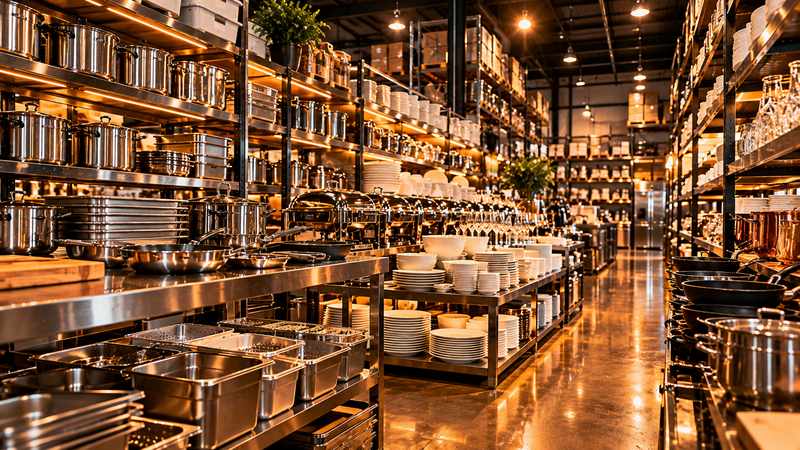
Restaurants, hotels, cafes, catering companies and bakeries need a large quantity of kitchenware to operate efficiently. Cookware, utensils, storage containers, GN pans, crockery, cutlery, glassware and serving products are used every day and must be replaced when damaged or lost.
Buying these products individually can increase procurement time and make it difficult to control costs. Purchasing bulk kitchenware UAE businesses need from a reliable commercial supplier can help reduce ordering complexity, improve product consistency and deliver better long-term value.
However, buying in bulk should not mean choosing the cheapest products available. Low-quality kitchenware may break quickly, create safety issues, increase replacement costs and affect the quality of service. The goal is to reduce purchasing costs without compromising durability, hygiene, performance or presentation.
This guide explains how restaurants can buy wholesale kitchenware UAE products more efficiently while maintaining professional standards.
Why Restaurants Buy Kitchenware in Bulk
Bulk purchasing is common in the hospitality industry because restaurants use large quantities of kitchenware across several departments and service areas.
Restaurants may buy in bulk to support:
- New restaurant openings
- Multiple branches
- Hotel restaurants
- Catering operations
- Seasonal demand
- Large events
- Banquet service
- Staff dining facilities
- Restaurant renovations
- Replacement stock
Bulk purchasing can provide several practical advantages.
Lower Cost Per Unit
Suppliers may offer better pricing when a restaurant purchases larger quantities. The final price depends on the product, quantity, availability, brand and order requirements.
Consistent Product Selection
Buying products together helps ensure that plates, glasses, cutlery, GN pans and containers match in size, colour and design.
Easier Stock Management
A planned bulk order helps restaurants organise purchasing and reduce repeated small orders throughout the year.
Fewer Delivery Charges
Ordering several product categories together may reduce the number of deliveries and simplify receiving procedures.
Better Opening Preparation
Restaurants opening a new branch can purchase the essential kitchenware in a single organised procurement process.
Businesses can explore commercial kitchenware for restaurants and hospitality operations when preparing a bulk purchasing list.
What Is Included in Bulk Kitchenware?
Bulk kitchenware includes the products used for food preparation, cooking, storage, service and cleaning. The exact selection depends on the restaurant’s concept and menu.
A typical bulk kitchenware order may include:
- Pots and pans
- Stockpots
- Frying pans
- Sauce pans
- Baking trays
- Pizza trays
- Kitchen utensils
- Chef knives
- Cutting boards
- Mixing bowls
- GN pans
- Food storage containers
- Restaurant crockery
- Cutlery
- Glassware
- Serving trays
- Buffetware
- Chafing dishes
- Cleaning accessories
The purchase should be based on actual operational needs rather than a general catalogue.
Start with a Detailed Purchasing List
The first step to controlling costs is creating a complete and accurate list. Buying without a plan can result in duplicate products, missing tools and unnecessary stock.
Divide the list into the following categories:
- Food preparation
- Cooking equipment
- Baking and pastry
- Food storage
- Buffet service
- Tableware
- Beverage service
- Cleaning and hygiene
- Packaging and takeaway
- Reserve stock
For every product, include:
- Product name
- Required quantity
- Size
- Material
- Intended use
- Department
- Replacement priority
- Preferred supplier
- Budget range
A detailed list allows the purchasing team to compare products based on total value rather than unit price alone.
Calculate Quantities Based on Actual Usage
Buying too little creates shortages, while buying too much ties up capital and uses valuable storage space.
Calculate quantities according to:
- Number of seats
- Daily covers
- Number of shifts
- Peak service periods
- Menu size
- Dishwashing capacity
- Breakage rate
- Storage capacity
- Catering or delivery demand
Example Quantity Groups
High-use products may include:
- Dinner plates
- Side plates
- Water glasses
- Coffee cups
- Teaspoons
- Table forks
- Table knives
- Food storage containers
- GN pans
- Tongs
- Serving spoons
Medium-use products may include:
- Serving platters
- Dessert plates
- Sauce ladles
- Baking trays
- Mixing bowls
- Speciality glasses
Low-use or speciality products may include:
- Large roasting pans
- Specialty serving pieces
- Event-specific glassware
- Dessert displays
- Speciality cookware
Restaurants should prioritise high-use products and avoid excessive quantities of items that are rarely used.
Compare Total Cost, Not Only Purchase Price
The lowest unit price does not always represent the lowest overall cost. A product may appear inexpensive but become more expensive if it breaks easily or requires frequent replacement.
Evaluate the total cost of ownership, including:
- Initial purchase price
- Delivery cost
- Cleaning requirements
- Replacement frequency
- Storage requirements
- Product lifespan
- Staff handling time
- Compatibility with existing equipment
For example, a durable stainless steel utensil may cost more initially than a basic alternative, but it may remain in service longer and require fewer replacements.
Choose Commercial-Grade Products

Commercial kitchens place greater demands on kitchenware than domestic kitchens. Products are exposed to frequent use, heat, washing, stacking and transportation.
Commercial-grade products should be selected for:
- Strength
- Durability
- Food safety
- Heat resistance
- Corrosion resistance
- Easy cleaning
- Practical handling
- Consistent availability
This is especially important for cookware, knives, GN pans, storage containers, chafing dishes and serving trays.
Commercial Cookware
Restaurant cookware should be suitable for the cooking methods and equipment used in the kitchen.
A bulk cookware order may include:
- Stainless steel pots
- Stockpots
- Frying pans
- Saute pans
- Sauce pans
- Roasting pans
- Grill pans
- Baking trays
- Pizza trays
Explore commercial cookware for restaurant and hotel kitchens before choosing products for a bulk order.
Professional Kitchen Utensils
Kitchen utensils are used continuously throughout the day. Choose products that are easy to hold, clean and store.
Essential utensils may include:
- Ladles
- Whisks
- Spatulas
- Tongs
- Turners
- Skimmers
- Serving spoons
- Strainers
- Scrapers
- Measuring tools
A wider selection of commercial kitchen utensils and accessories can help restaurants equip each workstation.
Standardise Products Across Departments
Standardisation is one of the most effective ways to control purchasing and replacement costs.
For example, a restaurant may standardise:
- One main dinner plate
- One side plate
- One dessert plate
- One soup bowl
- One water glass
- One coffee cup
- One cutlery design
- One GN pan system
- One food storage container range
Standardisation helps with:
- Easier ordering
- Simpler storage
- Faster staff training
- Consistent presentation
- Easier replacements
- Better inventory counting
Hotels and restaurant groups can standardise products across branches where the menu and service model are similar.
Choose Products with Reliable Replacement Availability
A product may be durable, but if it is impossible to reorder, it can create problems later.
Before placing a bulk order, ask:
- Is the product regularly available?
- Can the same size be reordered?
- Are replacement lids or parts available?
- Is the product part of a stable range?
- Can additional quantities be supplied later?
- Does the supplier carry the same brand or model?
This is particularly important for crockery, glassware, cutlery, trays and food storage containers.
Replacing one damaged plate with a completely different design can make the table setting look inconsistent.
Buy Based on the Restaurant Concept
Different restaurants require different kitchenware. A fine dining restaurant should not purchase the same products as a fast-food outlet or a bakery cafe.
Fine Dining Restaurants
Fine dining businesses may need:
- Premium porcelain
- Elegant serving platters
- Refined cutlery
- Wine glasses
- Specialty tableware
- Presentation spoons
- Dessert service products
Casual Restaurants
Casual restaurants may prioritise:
- Durable dinner plates
- Stackable bowls
- Practical cutlery
- Versatile cookware
- Easy-clean glassware
- Affordable replacement products
Cafes
Cafes may require:
- Coffee cups
- Saucers
- Iced beverage glasses
- Dessert plates
- Milk pitchers
- Barista tools
- Takeaway cups
- Food storage containers
Businesses can review a cafe supplies and beverage service collection when planning a cafe-focused purchase.
Pizza Restaurants
Pizza shops may need:
- Pizza trays
- Pizza screens
- Pizza peels
- Dough boxes
- Pizza cutters
- Sauce containers
- Ingredient pans
- Serving boards
Catering Companies
Catering businesses require products that are easy to transport and suitable for repeated events.
They may need:
- Chafing dishes
- Buffetware
- Serving trays
- GN pans
- Food containers
- Durable cutlery
- Glassware
- Transport racks
Use GN Pans to Improve Kitchen Efficiency
GN pans are useful in restaurants, hotels, catering kitchens and buffet operations. They can reduce the need for multiple incompatible food containers.
GN pans support:
- Food preparation
- Ingredient storage
- Refrigeration
- Cooking
- Buffet presentation
- Food transportation
- Replenishment
A standardised GN pan system makes it easier to move food between preparation areas, refrigerators, ovens and buffet stations.
Restaurants should select GN pan sizes and depths that match their existing equipment. Check compatibility with:
- Refrigerated preparation counters
- Ovens
- Chafing dishes
- Buffet stations
- Storage shelves
- Trolleys
Explore GN pans and food storage containers when building a standardised commercial kitchen system.
Buy Food Storage Containers in Matching Sizes

Food storage containers should be practical, stackable and suitable for the ingredients being stored.
They may be used for:
- Flour
- Sugar
- Rice
- Pasta
- Spices
- Sauces
- Vegetables
- Prepared food
- Coffee beans
- Toppings
- Bakery ingredients
Choose a container range with compatible lids and several capacities.
Benefits of Standardised Containers
- Easier stacking
- Better shelf organisation
- Faster stock identification
- Reduced storage waste
- Simpler replacement
- More efficient labelling
Containers should be clearly labelled with the product name, preparation date, expiry date and relevant storage information.
Choose Durable Tableware Without Overspending
Restaurants use large quantities of plates, bowls and glasses, so product selection has a direct impact on operating costs.
Restaurant Crockery
When choosing crockery, consider:
- Material
- Chip resistance
- Stackability
- Weight
- Plate size
- Dishwasher suitability
- Replacement availability
- Presentation style
Porcelain is a popular choice for professional restaurants because it provides an attractive appearance and is suitable for daily food service.
Explore restaurant crockery and commercial tableware for plates, bowls, cups and serving products.
Commercial Cutlery
Cutlery should be comfortable, durable and suitable for frequent washing.
Consider:
- Stainless steel quality
- Weight
- Balance
- Finish
- Design
- Corrosion resistance
- Quantity per seat
- Replacement availability
A standard cutlery design can be used across several outlets to simplify stock management.
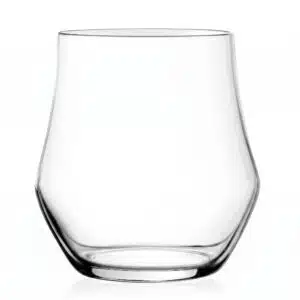
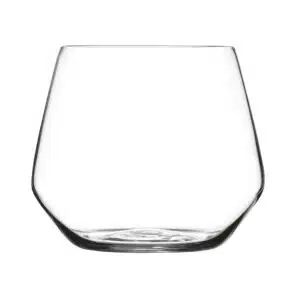
Commercial Glassware
Glassware is exposed to frequent handling, washing and breakage. Choose practical products that match the beverage menu and service style.
A standard restaurant collection may include:
- Water glasses
- Tumblers
- Juice glasses
- Wine glasses
- Beer glasses
- Cocktail glasses
- Coffee glasses
- Dessert glasses
Explore commercial glassware for restaurants and cafes when planning a bulk order.
Compare Suppliers Carefully
Choosing a supplier is as important as choosing the products. Restaurants should compare suppliers based on service quality, product range and long-term reliability.
Product Range
A supplier that provides cookware, utensils, tableware, buffetware, storage products and glassware can simplify procurement.
Product Specifications
Product descriptions should clearly explain:
- Material
- Size
- Capacity
- Weight
- Intended use
- Cleaning instructions
- Compatibility
- Quantity per pack
Availability
Confirm that the required quantities are available before placing the order. Ask about lead times for products that are not currently in stock.
Delivery
Check delivery options and expected delivery schedules across the UAE. Delivery timing is especially important for restaurant openings, hotel projects and large events.
Bulk Pricing
Request pricing based on the total quantity and product categories. Some suppliers may offer project or commercial quotations for larger orders.
Customer Support
A reliable supplier should be able to help with:
- Product selection
- Quantity planning
- Compatibility questions
- Delivery details
- Replacement products
- Project quotations
Avoid Mixing Too Many Brands
Using too many different brands can make product management more complicated. It may lead to differences in:
- Product dimensions
- Finish
- Colour
- Weight
- Capacity
- Stacking height
- Replacement availability
This does not mean every product must come from the same brand. It means restaurants should choose a controlled range for each category.
For example, a restaurant may use one brand for GN pans, another for chef knives and a third for glassware. The important point is to standardise within each operational category.
Purchase in Phases When Necessary
Not every restaurant needs to purchase every item at the same time. A phased approach can reduce pressure on cash flow while ensuring the business has the essential products required for opening.
Phase One: Opening Essentials
Prioritise:
- Cookware
- Kitchen utensils
- Knives
- Cutting boards
- Food containers
- GN pans
- Main plates
- Bowls
- Cutlery
- Water glasses
- Cups
- Cleaning supplies
Phase Two: Service Expansion
Add:
- Speciality serving pieces
- Additional glassware
- Buffetware
- Dessert displays
- Banquet products
- Additional cookware
- Premium tableware
Phase Three: Operational Upgrades
Consider:
- Matching replacement stock
- Extra transport equipment
- Specialised preparation tools
- Branded service products
- Additional storage systems
- Event-specific equipment
Phased purchasing works best when the initial list clearly identifies what is essential and what can be delayed.
Maintain a Kitchenware Inventory
An inventory system helps restaurants understand what they own, what they use and what needs replacement.
Track:
- Product name
- Product category
- Quantity purchased
- Quantity currently available
- Storage location
- Department
- Condition
- Purchase date
- Supplier
- Replacement status
Inventory checks should be conducted regularly, particularly for:
- Plates
- Glasses
- Cups
- Cutlery
- GN pans
- Storage containers
- Serving trays
- Utensils
Reduce Breakage and Product Loss
Buying in bulk is more cost-effective when products are handled correctly.
Train Staff
Staff should understand how to:
- Stack plates safely
- Carry trays correctly
- Store glassware
- Load dishwashers
- Handle hot cookware
- Use knives safely
- Separate damaged products
Use Suitable Storage
Shelves should be stable and easy to access. Avoid overloading shelves or stacking products beyond their safe capacity.
Separate Clean and Used Products
Clean kitchenware should be stored away from used items and cleaning chemicals.
Remove Damaged Products
Cracked, chipped or broken items should be removed immediately. Continuing to use damaged products may create safety and hygiene risks.
Use Product Samples Before Bulk Orders
A sample check helps restaurants avoid costly mistakes.
Test the product for:
- Size
- Weight
- Balance
- Finish
- Handle comfort
- Stackability
- Dishwasher suitability
- Compatibility
- Storage requirements
- Practicality during service
For cookware and utensils, test the product with the actual food and equipment where possible.
For tableware, place sample plates and bowls on the intended tables. Check the portion size, presentation and storage requirements.
How to Save Cost Without Reducing Quality
Restaurants can control bulk purchasing costs through careful planning.
Order Core Products Together
Combining several essential categories into one planned order may simplify delivery and quotation discussions.
Choose Practical Designs
Simple, versatile designs are often easier to replace and use across multiple menu items.
Avoid Unnecessary Specialisation
Do not purchase a specialised product unless the menu or service model requires it.
Use Multipurpose Products
Examples include:
- Versatile frying pans
- Stackable food containers
- GN pans compatible with multiple stations
- Serving trays suitable for food and beverages
- Bowls usable for soups, salads and desserts
Standardise High-Use Items
Standardised products reduce the need to maintain several different sizes and designs.
Maintain Reserve Stock Selectively
Keep reserve stock for high-use and fragile items. Avoid excessive reserves of products that are rarely used.
Review the Order Before Confirmation
Check quantities, sizes, pack counts, compatibility and delivery details before confirming the order.
Bulk Kitchenware for Hotels and Restaurant Groups
Hotels and restaurant groups may benefit from centralised purchasing. A single procurement plan can help standardise products across several outlets.
Centralised Purchasing Benefits
- Better product consistency
- Easier supplier communication
- Improved bulk pricing
- Simpler stock management
- Easier replacement
- More efficient delivery planning
Department-Based Allocation
After receiving the order, allocate products to:
- Main kitchen
- Restaurant
- Cafe
- Bar
- Buffet
- Banquet department
- Room service
- Catering department
- Staff dining
Record the allocated quantity and storage location for each department.
Common Mistakes When Buying Wholesale Kitchenware UAE Products
Buying Based Only on Unit Price
A low unit price does not guarantee long-term value. Compare durability, performance, service life and replacement cost.
Ordering Without Measuring Storage
Bulk kitchenware can occupy significant space. Measure shelves, cupboards, refrigerators and storage rooms before placing an order.
Purchasing Too Many Different Sizes
Too many sizes can make stock control difficult. Select the most useful capacities first.
Ignoring Product Compatibility
GN pans, cookware, trays and storage containers should fit the equipment already installed in the kitchen.
Failing to Check Pack Quantities
Some products are sold individually, while others are packed in sets or cartons. Confirm the actual delivered quantity.
Forgetting Reserve Stock
Restaurants need additional plates, glasses, cups and cutlery to cover breakage and washing cycles.
Choosing Products That Cannot Be Reordered
Stable product availability is important for restaurant expansion and replacement.
Buying Before Finalising the Menu
The menu determines the cookware, utensils, storage products and serving pieces required. Finalise the main food concept before placing the bulk order.
Frequently Asked Questions
What is bulk kitchenware?
Bulk kitchenware refers to purchasing commercial cookware, utensils, storage containers, tableware, glassware and other kitchen products in larger quantities for restaurants, hotels, cafes and catering businesses.
Is buying kitchenware in bulk cheaper?
Bulk purchasing can reduce the cost per unit and simplify delivery, but the final value depends on product quality, durability, delivery charges and replacement needs.
How can restaurants save money when buying kitchenware?
Restaurants can save by creating a detailed list, standardising products, comparing total ownership costs, selecting durable commercial products and avoiding unnecessary speciality items.
What kitchenware should restaurants buy in bulk?
High-use products such as plates, glasses, cutlery, cups, utensils, GN pans, food containers and cookware are commonly suitable for bulk purchasing.
Is wholesale kitchenware suitable for new restaurants?
Yes. Wholesale kitchenware can help new restaurants prepare their kitchens and service areas efficiently. The order should be based on the menu, seating capacity and expected service volume.
What is the best material for commercial kitchenware?
The best material depends on the product. Stainless steel is widely used for cookware, utensils and GN pans. Porcelain is common for crockery, while glass and durable plastic products are used for beverage and storage applications.
How much reserve stock should a restaurant keep?
The amount depends on usage, breakage, seating capacity and washing cycles. Restaurants should keep additional stock of frequently used and fragile products.
Can a supplier help plan a bulk kitchenware order?
A commercial hospitality supplier can often help with product selection, quantities, compatibility, quotations and delivery planning, especially for restaurant openings and hotel projects.
Final Recommendation
Buying bulk kitchenware UAE products can help restaurants reduce procurement time, improve consistency and control operating costs. The best results come from planning the order around the menu, kitchen workflow, guest volume, storage capacity and replacement requirements.
Restaurants should focus on:
- Commercial-grade quality
- Practical product designs
- Standardised sizes
- Reliable replacement availability
- Suitable storage
- Correct quantities
- Product compatibility
- Total cost of ownership
A successful bulk order may include:
- Commercial cookware
- Professional utensils
- Chef knives
- Cutting boards
- GN pans
- Food storage containers
- Restaurant crockery
- Commercial cutlery
- Glassware
- Serving trays
- Buffetware
- Chafing dishes
- Cleaning products
For a complete horeca purchasing plan, explore:
- Commercial Kitchenware
- Commercial Cookware
- Kitchen Utensils and Accessories
- GN Pans and Food Storage Containers
- Restaurant Crockery
- Commercial Cutlery
- Commercial Glassware
- Buffetware and Chafing Dishes
- Commercial Tableware
A carefully planned restaurant supplies bulk order allows businesses to save cost while maintaining the durability, hygiene, presentation and performance required for professional foodservice operations in the UAE.


