












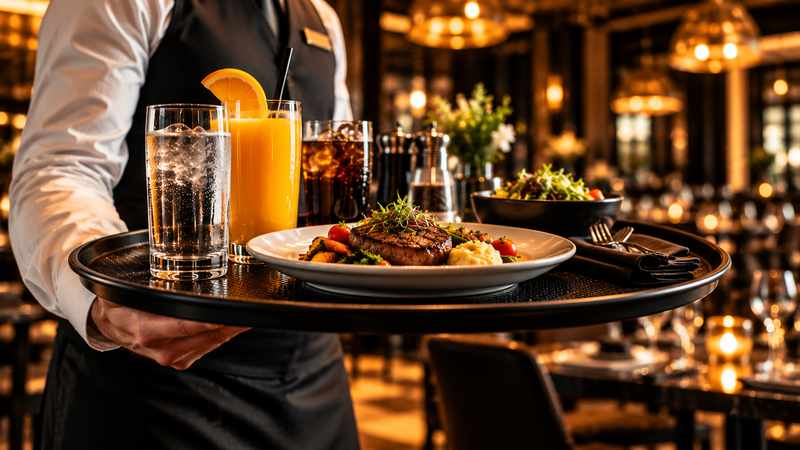
Serving trays are essential for restaurants, hotels, cafes, cafeterias, catering companies and fast-food businesses. They help staff carry food and beverages safely, improve table service and make it easier to organise orders during busy periods.
The right serving tray should be strong, stable, comfortable to carry and suitable for the type of food or drinks being served. A fine dining restaurant may require elegant stainless steel trays, while a cafeteria may need lightweight trays that customers can carry themselves. Fast-food businesses often need durable, easy-to-clean trays that can handle frequent daily use.
For businesses searching for serving trays UAE, this guide explains the main types of commercial trays, their materials, important features and how to choose the best option for your operation.
Why Serving Trays Are Important in Foodservice
Serving trays support several important restaurant and hospitality tasks.
Faster Table Service
A suitable tray allows servers to carry several items in one trip. This can improve table turnover and reduce unnecessary movement between the kitchen and dining area.
Safer Transportation
Trays provide a stable surface for carrying plates, glasses, cups and condiments. Products with non-skid surfaces can help reduce sliding and spills.
Better Presentation
A clean, well-designed tray creates a more professional appearance. The tray becomes part of the customer’s dining experience, especially in cafes, hotels and formal restaurants.
Improved Order Organisation
Servers can use trays to organise beverages, desserts, side dishes and table accessories. This is particularly useful during busy breakfast, lunch and dinner periods.
Easier Self-Service
Cafeterias, food courts and buffet restaurants use trays to help customers carry meals from the serving counter to their tables.
Reduced Handling Damage
Commercial trays help protect cups, plates and glasses during transportation. A stable tray can reduce the risk of items being dropped or knocked over.
Businesses can combine restaurant trays with suitable commercial tableware for a complete service setup.
Main Types of Serving Trays
Different businesses require different types of trays. The best choice depends on the menu, service model, weight of the order and working environment.
Non-Skid Serving Trays
Non-skid trays have a textured or rubberised surface that helps prevent plates and glasses from sliding. They are widely used in restaurants, cafes, hotels and catering operations.
They are suitable for carrying:
- Coffee cups
- Water glasses
- Soft drinks
- Plates
- Desserts
- Sauces
- Condiments
- Room service orders
The non-skid surface is especially useful when staff need to move through busy dining areas or carry drinks over longer distances.
Advantages of Non-Skid Trays
- Improved grip
- Reduced spills
- Better stability
- Suitable for beverage service
- Available in different sizes
- Practical for daily restaurant use
Non-skid trays should be cleaned regularly to prevent the surface from becoming sticky or collecting food residue.
Stainless Steel Serving Trays
Stainless steel trays offer durability and a professional appearance. They are often used in hotels, restaurants, banquet halls and formal dining environments.
They can be used for:
- Room service
- Breakfast service
- Banquet service
- Beverage service
- Food presentation
- Catering events
Benefits of Stainless Steel Trays
- Strong construction
- Corrosion resistance
- Easy cleaning
- Professional appearance
- Suitable for hot and cold items
- Long service life
Stainless steel trays are particularly suitable for operations that need a polished and hygienic service product.
Fast Food Trays
Fast-food trays are usually lightweight, durable and easy to clean. They are designed for quick customer service in food courts, cafeterias, burger restaurants and casual dining outlets.
They are suitable for:
- Burgers
- Fries
- Sandwiches
- Soft drinks
- Meal combinations
- Desserts
- Breakfast items
Fast-food trays may be made from plastic, fibreglass or other durable commercial materials. Many models are stackable, helping businesses save storage space.
Cafeteria Trays
Cafeteria trays are designed for self-service environments. Customers can place plates, drinks, cutlery and condiments on the tray before carrying them to a table.
A suitable cafeteria tray should be:
- Lightweight
- Easy to carry
- Resistant to stains
- Easy to clean
- Strong enough for a full meal
- Easy to stack
Cafeteria trays are commonly used in:
- Schools
- Hospitals
- Universities
- Staff canteens
- Food courts
- Hotel breakfast areas
- Corporate dining facilities
Hotel Service Trays
Hotel service trays are used for room service, breakfast delivery and in-room dining. They should be stable, attractive and large enough to hold a complete meal.
They may be used for:
- Breakfast trays
- Coffee and tea service
- Room service meals
- Desserts
- Fruit plates
- Beverage service
- Hospitality amenities
For hotel operations, trays should fit comfortably on room service carts and be easy for staff to carry through corridors and elevators.
Compartment Trays
Compartment trays include separate sections for different food items. They are useful in cafeterias, schools, hospitals, staff restaurants and quick-service operations.
They can help separate:
- Main dishes
- Salads
- Desserts
- Bread
- Sauces
- Cutlery
- Side dishes
Compartment trays also help control portions and prevent different foods from mixing.
Buffet Serving Trays
Buffet trays are used to transport food, plates, cutlery and serving accessories between the kitchen and buffet area. They should be strong enough to carry heavier items safely.
They may be used with professional buffetware during hotel breakfasts, banquets and catering events.
Round Serving Trays
Round trays are commonly used for drinks and table service. Their shape allows servers to arrange glasses around the surface and carry them efficiently.
They are suitable for:
- Coffee service
- Cocktail service
- Water and soft drinks
- Hotel room service
- Bar service
- Desserts
Round trays are often available with non-skid surfaces for improved stability.
Rectangular Serving Trays
Rectangular trays provide more usable surface area and are practical for carrying plates, meals and larger orders.
They are suitable for:
- Restaurant table service
- Fast food
- Cafeteria service
- Room service
- Bakery products
- Banquet service
The shape also makes them easier to store on shelves or stack in service areas.
Serving Tray Materials

The material affects the tray’s weight, durability, appearance, maintenance and cost.
Stainless Steel
Stainless steel is a popular option for hotel service trays and professional restaurant service.
Advantages include:
- High durability
- Corrosion resistance
- Easy sanitation
- Strong load capacity
- Attractive finish
- Suitable for hot food and beverages
Stainless steel trays can be polished for formal service or supplied with a brushed finish for a more modern appearance.
Fibreglass
Fibreglass trays are lightweight but durable. They are commonly used in cafeterias, restaurants, hospitals and high-volume foodservice operations.
Benefits include:
- Lightweight handling
- Good impact resistance
- Easy cleaning
- Suitable for repeated use
- Available in different colours
- Suitable for food court service
Fibreglass is a practical choice for businesses where staff or customers carry trays frequently.
Plastic
Plastic trays are often selected for fast food, casual dining and cafeteria use. They are usually affordable, lightweight and easy to replace.
When buying plastic commercial trays, check that they are:
- Food-safe
- Durable
- Suitable for repeated washing
- Resistant to stains
- Strong enough for the intended load
Polypropylene
Polypropylene trays offer a lightweight and practical solution for cafeterias and self-service restaurants. They may be available in several colours and sizes.
They are useful for:
- Schools
- Hospitals
- Staff canteens
- Food courts
- Catering facilities
Melamine
Melamine trays can provide an attractive appearance with a lighter weight than some metal alternatives. They may be suitable for selected food presentation and casual service applications.
Always check the manufacturer’s instructions regarding heat, dishwasher use and food contact.
Wooden and Bamboo-Style Trays
Wooden or bamboo-style trays are often used for cafes, bakeries, breakfast service and presentation-focused restaurants.
They can create:
- A natural appearance
- Rustic presentation
- A premium cafe style
- Attractive food photography
- Suitable bakery presentation
These trays may require more careful maintenance than stainless steel or plastic products.
How to Choose Serving Trays in the UAE
Before buying serving trays UAE, consider how the trays will be used throughout the day.
Identify the Service Type
The service model should determine the tray style.
Restaurants
Restaurants may require round non-skid trays for beverages and rectangular trays for food service.
Hotels
Hotels may need room service trays, breakfast trays, beverage trays and banquet service trays.
Cafeterias
Cafeterias typically require lightweight, stackable trays that customers can carry comfortably.
Fast-Food Restaurants
Fast-food restaurants usually need durable and easy-to-clean trays for meal combinations and drinks.
Catering Companies
Caterers should prioritise strong, lightweight trays that are easy to transport between kitchens and event venues.
Consider the Tray Size
Tray size should match the items being carried. A small drink tray is easier to control, while a large food tray can carry complete meals.
Common considerations include:
- Number of items per tray
- Weight of the order
- Table size
- Storage space
- Server strength and comfort
- Customer carrying ability
Avoid choosing trays that are unnecessarily large, as they can become heavy and difficult to manoeuvre.
Check Weight Capacity
A tray should safely carry the expected load without bending or becoming unstable.
Consider the weight of:
- Plates
- Bowls
- Glasses
- Hot pots
- Drinks
- Cutlery
- Sauces
- Condiments
For heavier meals or room service orders, choose trays with strong construction and reinforced edges.
Choose Non-Skid Features
Non-skid surfaces are especially useful for beverages and glassware. They can help reduce movement while the tray is being carried.
Check that the non-skid surface:
- Covers the main tray area
- Is easy to clean
- Does not peel easily
- Provides consistent grip
- Is suitable for commercial washing
Check the Tray Edge
Raised edges help prevent items from sliding off the tray. They also provide additional grip and help contain small spills.
For restaurant service, a tray with a comfortable raised edge can improve safety and handling.
Consider Handle Design
Some trays have integrated handles, while others use the tray edge for grip. Choose a design that is comfortable for staff and customers.
A handle should be:
- Strong
- Comfortable
- Easy to clean
- Suitable for the tray weight
- Resistant to cracking
Consider Storage Space
Commercial trays are often purchased in large quantities. They should be easy to stack and store.
Stackable trays can:
- Save shelf space
- Improve organisation
- Speed up service preparation
- Reduce clutter
- Make counting easier
Before ordering, measure the available storage area.
Serving Trays for Restaurants
Restaurants often require more than one tray type because different service tasks have different needs.
Beverage Service
Round non-skid trays are useful for coffee, tea, water, soft drinks and cocktails. The tray should offer enough grip to prevent glassware from moving.
Food Service
Rectangular trays are practical for carrying plates, bowls, side dishes and condiments from the kitchen to dining tables.
Dessert Service
Smaller trays can be used for cakes, pastries, ice cream and dessert plates. Presentation-focused restaurants may choose stainless steel, wood-style or decorative trays.
Table Clearing
Strong, easy-to-clean trays can help staff collect glasses, cutlery and small plates. However, trays used for clearing should not be overloaded.
Businesses can coordinate their trays with restaurant crockery and commercial cutlery for a more consistent dining experience.
Serving Trays for Hotels
Hotels use trays across several departments and service areas.
Room Service Trays
Room service trays should be large enough for a complete meal but easy for staff to carry. They may need space for:
- Main plate
- Side plate
- Cutlery
- Beverage
- Condiments
- Napkin
- Dessert
- Room service information
Breakfast Trays
Breakfast trays may be used for room delivery or buffet replenishment. They should be easy to clean and suitable for carrying hot and cold items together.
Banquet and Conference Service
Hotels may use trays for drinks, coffee breaks, desserts and appetisers during events. Lightweight trays help staff move efficiently across large venues.
Poolside and Outdoor Service
Outdoor hotel areas may require durable, non-skid or break-resistant service trays. Tray materials should match the safety requirements of the location.
Serving Trays for Cafeterias and Fast-Food Businesses

Cafeterias and fast-food operations prioritise speed, durability and easy handling.
Customer Self-Service
Trays should be lightweight enough for customers to carry comfortably. A textured surface can help keep drinks and plates stable.
Easy Cleaning
High-volume businesses require trays that can be washed quickly. Smooth surfaces and rounded corners help prevent food from collecting in difficult areas.
Colour Coding
Different tray colours can be used to organise service areas or support branding. Colour coding may also help separate trays used for different departments.
Stackability
Stackable trays are important when large quantities are used throughout the day. They reduce storage requirements and speed up replenishment.
Serving Trays for Catering Companies
Catering businesses need products that can withstand transportation, setup and repeated event use.
When selecting commercial trays for catering, consider:
- Weight
- Strength
- Stackability
- Impact resistance
- Storage requirements
- Ease of cleaning
- Transport between venues
- Compatibility with food containers
Catering companies may need separate trays for beverages, plated meals, buffet items and table clearing.
For larger event operations, pair serving trays with suitable hotel and catering supplies to create an organised service system.
Cleaning and Maintaining Commercial Trays
Correct care helps extend the life of serving trays.
Wash Trays After Every Service
Food residue, syrup, coffee and grease should be removed after every service period. Do not leave trays dirty overnight.
Use Suitable Cleaning Products
Avoid harsh chemicals that may damage non-skid surfaces, printed finishes or polished metal.
Dry Trays Completely
Moisture can create odours, marks and surface damage. Allow trays to dry before stacking.
Inspect for Damage
Remove trays with:
- Cracks
- Sharp edges
- Broken handles
- Peeling surfaces
- Deep scratches
- Warped bases
- Loose non-skid coatings
Damaged trays can create safety problems for staff and customers.
Store Trays Correctly
Stack trays evenly on a stable shelf. Avoid placing heavy equipment on top of them.
Common Serving Tray Buying Mistakes
Choosing the Wrong Material
A decorative wooden tray may not be suitable for a high-volume cafeteria, while a plastic tray may not provide the presentation required by a luxury hotel.
Buying Trays That Are Too Large
Large trays can become heavy and difficult to carry. Select a size that matches the average service order.
Ignoring Non-Skid Features
Smooth trays may be unsuitable for carrying drinks across busy dining areas.
Overlooking Storage
Large tray orders require sufficient shelf space. Confirm stack height and storage capacity before buying.
Buying Without Testing
Test trays with the actual plates, glasses and food containers used by the business.
Ignoring Replacement Availability
Choose products that can be reordered consistently so your service collection remains uniform.
Overloading the Tray
Even a strong commercial tray can become unstable when overloaded. Staff should be trained to distribute weight evenly.
Frequently Asked Questions
What are the best serving trays for restaurants?
Non-skid beverage trays and durable rectangular food trays are practical choices for most restaurants. The correct option depends on the menu and service style.
Are stainless steel trays suitable for hotels?
Yes. Stainless steel trays are durable, easy to clean and suitable for room service, banquets, breakfast service and formal hospitality operations.
What are the best trays for fast-food restaurants?
Fast-food businesses usually benefit from lightweight, durable and stackable fibreglass, plastic or polypropylene trays.
Are non-skid trays better for drinks?
Non-skid trays are often better for drinks because their surface helps reduce sliding and spills while the tray is being carried.
What size serving tray should I buy?
Choose the size according to the number and weight of items normally served together. Avoid trays that are too large or too heavy for staff or customers.
Can serving trays be used for hot food?
Many commercial trays can carry hot food, but always check the manufacturer’s temperature recommendations before use.
How do I clean commercial serving trays?
Wash trays after every service with a suitable detergent, rinse them thoroughly and dry them completely before stacking and storage.
Final Recommendation
The best serving trays UAE restaurants, hotels, cafes and catering companies choose should match their service model, menu, order size and storage capacity.
Non-skid trays are practical for drinks and table service. Stainless steel trays provide durability and professional presentation for hotels and formal restaurants. Fibreglass and plastic trays are suitable for cafeterias and fast-food operations, while wooden or bamboo-style trays can enhance presentation in cafes and bakeries.
Before purchasing, evaluate:
- Material
- Tray size
- Weight capacity
- Non-skid surface
- Edge and handle design
- Cleaning requirements
- Stackability
- Storage space
- Replacement availability
For a complete restaurant and catering service setup, explore:
- Commercial Tableware
- Restaurant Crockery
- Commercial Cutlery
- Buffetware and Serving Equipment
- Commercial Glassware
The right commercial trays improve handling, reduce spills and help restaurants, hotels and cafeterias deliver faster and more professional service across the UAE.


