









Choosing the right tableware is an important decision for every restaurant, hotel, cafe and catering business. Plates, bowls, cutlery and serving pieces are used every day, exposed to frequent washing, high temperatures and constant handling. The right products must therefore combine durability, attractive design, practical performance and value for money.
For businesses searching for restaurant tableware UAE, the buying decision should go beyond appearance. Commercial tableware must support the restaurant’s menu, service style, brand identity and operational requirements.
This guide explains how to choose the best hotel tableware UAE, restaurant crockery, cutlery and serving pieces for professional foodservice operations.
What Is Commercial Restaurant Tableware?
Commercial restaurant tableware includes all the items used to prepare, present and serve food and beverages to customers. It commonly includes:
- Dinner plates
- Side plates
- Pasta plates
- Soup bowls
- Dessert plates
- Serving platters
- Cups and saucers
- Restaurant cutlery
- Buffet serving pieces
- Glassware
- Food presentation accessories
Unlike domestic tableware, professional horeca tableware is designed for repeated daily use. It must be strong enough for busy restaurants, hotel dining rooms, buffets, cafes, banquets and catering events.
A reliable tableware collection should also be easy to replace. Restaurants should select products that are consistently available so that damaged or lost items can be reordered without changing the appearance of the table setting.
Why Quality Tableware Matters for Restaurants and Hotels
Tableware influences the customer’s perception of the entire dining experience. Even a well-prepared dish can appear less attractive when served on unsuitable or damaged crockery.
High-quality tableware helps businesses achieve several important benefits.
Better Food Presentation
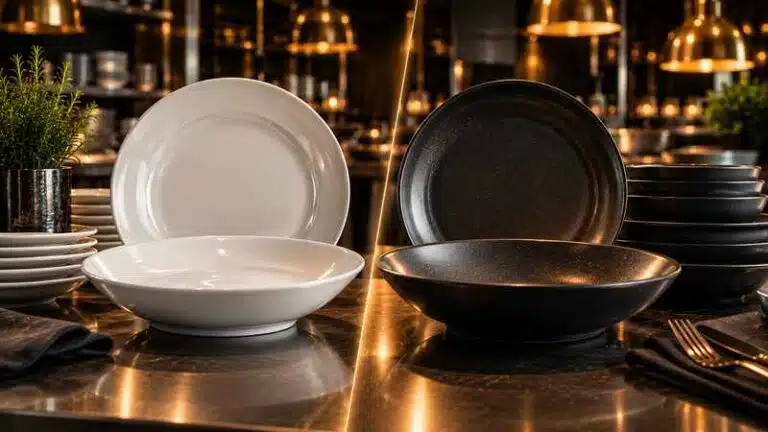
The shape, colour and size of a plate can affect how food looks. White porcelain plates provide a clean background that highlights colourful ingredients. Dark plates can create a modern presentation for selected dishes, while rustic crockery may suit casual or themed restaurants.
Improved Customer Experience
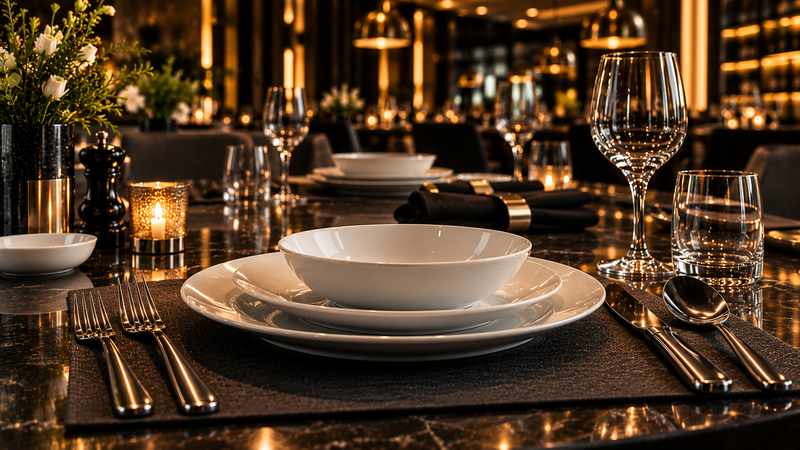
Customers notice the details of a table setting. Matching plates, polished cutlery and clean serving pieces create a more professional impression and support a consistent dining experience.
Longer Product Life
Commercial tableware is exposed to frequent use, stacking, washing and transportation. Durable products reduce breakage and help restaurants avoid regular replacement costs.
Easier Restaurant Operations
Stackable plates and bowls save storage space. Standardised sizes simplify table preparation, buffet setup and inventory control.
Stronger Brand Identity
Tableware should match the style of the business. Fine dining restaurants may prefer elegant porcelain, while cafes, food halls and casual dining concepts may choose durable and practical products.
Businesses can explore professional restaurant crockery and tableware products to create a consistent serving collection.
Main Types of Restaurant Tableware

The best tableware collection depends on the restaurant concept and the type of food being served. Most commercial kitchens require a combination of the following products.
Dinner Plates
Dinner plates are the foundation of a restaurant tableware collection. They are used for main courses, grilled dishes, rice meals, seafood, meat and plated specials.
Common sizes include:
- 10-inch plates for standard main courses
- 11-inch or 12-inch plates for larger portions
- Coupe plates for modern presentation
- Rimmed plates for saucy dishes
- Wide-rim plates for fine dining presentation
Restaurants should select plates according to portion sizes and plating style. A plate that is too small can make the dish look crowded, while an oversized plate may create unnecessary storage and washing requirements.
Side Plates
Side plates are used for bread, appetisers, small portions, snacks and accompaniments. They are also useful for breakfast service, hotel buffets and cafe tables.
A practical side plate should be:
- Easy to stack
- Resistant to frequent handling
- Simple to clean
- Compatible with the main dinnerware collection
Soup and Pasta Bowls
Soup bowls and pasta bowls are available in several designs. Wide-rim bowls provide a more elegant presentation, while deeper bowls are suitable for soups, stews and dishes with sauces.
Pasta bowls are particularly useful for:
- Pasta dishes
- Risotto
- Noodles
- Salads
- Grain bowls
- Sharing portions
The correct bowl depth reduces spills and makes service easier for waiters and customers.
Dessert Plates
Dessert plates are usually smaller than main-course plates. They can be used for cakes, pastries, fruit, ice cream and plated desserts.
Hotels and restaurants often select dessert plates that coordinate with their main crockery. This creates a uniform appearance across lunch, dinner, afternoon tea and banquet service.
Serving Platters
Serving platters are essential for shared dishes, grilled items, seafood, appetisers and buffet presentation. They are available in round, oval and rectangular shapes.
When buying serving platters, consider:
- Available table space
- Portion size
- Weight when fully loaded
- Ease of carrying
- Resistance to chipping
- Compatibility with buffet equipment
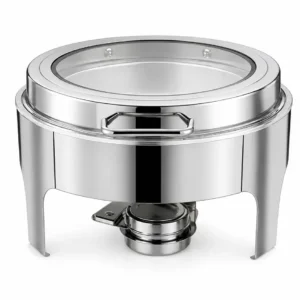
For buffet and banquet operations, tableware should work well with professional buffetware, chafing dishes and food presentation equipment.
Cups and Saucers
Hotels, cafes and restaurants require cups and saucers for coffee, tea, cappuccino, espresso and hot chocolate. A professional collection may include:
- Espresso cups
- Cappuccino cups
- Tea cups
- Coffee mugs
- Breakfast cups
- Stackable hotel cups
Cups should have comfortable handles, stable bases and sufficient resistance to thermal shock. Hotels may prefer stackable designs because they save space in housekeeping and service areas.
Restaurant Cutlery
Cutlery is a major part of restaurant tableware. A complete collection can include:
- Table knives
- Table forks
- Table spoons
- Dessert spoons
- Dessert forks
- Teaspoons
- Steak knives
- Serving spoons
- Serving forks
- Fish knives and forks
The finish and weight of cutlery contribute to the dining experience. Stainless steel is widely used because it offers durability, corrosion resistance and easy maintenance.
Restaurants can combine their crockery collection with professional restaurant cutlery for a complete table setting.
Glassware
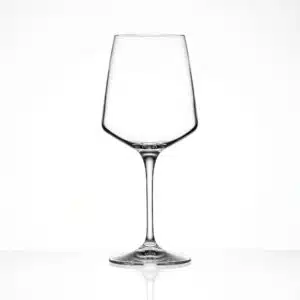
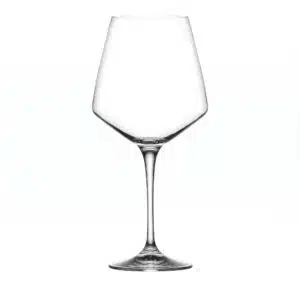
Although glassware is often purchased separately from crockery, it remains an essential part of a complete horeca tableware setup.
Typical products include:
- Water glasses
- Juice glasses
- Tumblers
- Wine glasses
- Beer glasses
- Cocktail glasses
- Espresso glasses
Glassware should match the restaurant’s beverage menu and service style. Hotels and high-volume restaurants should prioritise durable designs that can withstand frequent washing and handling.
See the available commercial glassware collection when planning a complete restaurant table setup.
How to Choose the Best Restaurant Tableware in UAE
Selecting the right tableware requires careful consideration of several factors.
Consider the Restaurant Concept
Tableware should reflect the atmosphere and target customers of the business.
Fine dining restaurants may require:
- Elegant white porcelain
- Refined shapes
- Lightweight but durable pieces
- Special serving platters
- Premium cutlery
Casual restaurants may benefit from:
- Durable commercial plates
- Stackable bowls
- Practical serving pieces
- Easy-to-replace designs
- Cost-effective tableware sets
Cafes and bakeries often need:
- Dessert plates
- Coffee cups
- Cake stands
- Small serving trays
- Mugs and saucers
Hotels usually need a broader collection for restaurants, room service, breakfast buffets, banquets and conferences.
Choose Durable Materials
The material of tableware affects durability, appearance, weight and cost.
Common commercial materials include:
- Porcelain
- Bone china
- Ceramic
- Melamine
- Stainless steel
- Tempered glass
- Polycarbonate for selected applications
Porcelain is popular for restaurants and hotels because it offers an elegant appearance and good resistance to daily use. Melamine is lightweight and highly practical for outdoor dining, casual service and selected buffet applications.
Read the comparison guide on melamine vs porcelain tableware before choosing between these materials.
Check Chip and Break Resistance
Chipped plates affect presentation and may create safety concerns. Restaurants should choose products designed for professional use and inspect tableware regularly.
Look for:
- Reinforced edges
- Strong glazed surfaces
- Commercial-grade construction
- Resistance to thermal shock
- Consistent manufacturing quality
In high-volume restaurants, reinforced-rim plates can help reduce replacement frequency.
Select Practical Sizes
Buying too many sizes can make inventory management difficult. A practical tableware collection normally starts with the most frequently used sizes.
For example, a restaurant may begin with:
- One main dinner plate
- One side plate
- One soup or pasta bowl
- One dessert plate
- One serving platter
- One cup and saucer design
- A complete cutlery set
Additional shapes and sizes can be added later as the menu and service requirements grow.
Choose Stackable Designs
Stackability is essential in commercial kitchens and hotel operations. Stackable plates and bowls:
- Reduce storage requirements
- Improve shelf organisation
- Make service preparation faster
- Reduce the risk of falling items
- Help staff count inventory more easily
Before ordering, confirm that plates and bowls stack securely without scratching or slipping.
Match the Tableware to the Menu
The menu should influence the shape and depth of each piece.
A seafood restaurant may need long platters, fish plates and sauce bowls. A pizza restaurant may require large pizza plates, serving boards and pasta bowls. A bakery may need dessert plates, cake stands and coffee cups.
A hotel buffet may require a larger mix of plates, bowls, cups, saucers and serving pieces for breakfast, lunch and dinner.
Restaurant Tableware Materials Compared

Porcelain Tableware
Porcelain is one of the most popular choices for professional restaurants and hotels.
Advantages include:
- Elegant appearance
- Smooth, hygienic surface
- Good resistance to staining
- Suitable for hot and cold food
- Professional presentation
- Available in many shapes and sizes
Porcelain is particularly suitable for fine dining, hotel restaurants, banquets and modern casual dining.
Ceramic Tableware
Ceramic tableware often offers a more relaxed or handcrafted appearance. It is commonly used in cafes, bistros, breakfast restaurants and casual dining concepts.
Ceramic can provide:
- Rustic visual appeal
- Unique colours and finishes
- Strong presentation value
- Suitable options for themed restaurants
The quality and durability may vary between products, so commercial use should always be considered before purchasing.
Melamine Tableware
Melamine is lightweight and resistant to breakage. It is often selected for outdoor service, poolside dining, casual restaurants, food courts and some buffet applications.
Benefits include:
- Lightweight construction
- High resistance to breakage
- Easy handling
- Practical use in outdoor areas
- Wide range of colours and patterns
Melamine should be used according to the manufacturer’s instructions and is generally not intended for direct cooking or microwave use.
Bone China
Bone china offers a refined appearance and a lightweight feel. It may be suitable for premium hotels, fine dining restaurants and formal events.
It can provide:
- Elegant presentation
- Bright white appearance
- Lightweight construction
- Premium customer experience
However, businesses should compare durability, replacement costs and operational requirements before choosing it for high-volume service.
How Much Tableware Should a Restaurant Buy?

The required quantity depends on seating capacity, turnover, washing cycles, menu structure and service style.
A restaurant should normally maintain additional stock to cover:
- Breakage
- Peak service periods
- Items in the washing area
- Banquet or event service
- Delayed deliveries
- Menu changes
A common purchasing approach is to order several complete sets per seat rather than buying only one piece per customer. The exact quantity depends on how quickly the kitchen can wash and return items to service.
Hotels and catering companies may need additional reserve stock because tableware is used across multiple outlets and events.
Tableware Maintenance and Hygiene
Correct maintenance helps extend the life of commercial tableware.
Use Suitable Washing Procedures
Follow the manufacturer’s instructions for dishwashers, detergents and water temperatures. Avoid using unsuitable chemicals that may damage glazing, finishes or printed designs.
Separate Damaged Items
Chipped, cracked or heavily scratched products should be removed from service. Damaged tableware can affect presentation and create hygiene or safety concerns.
Store Plates and Bowls Correctly
Store tableware on stable shelves and avoid excessive stacking. Heavy stacks can cause chips and make it difficult for staff to remove individual items safely.
Avoid Sudden Temperature Changes
Extreme temperature changes may cause thermal shock, especially with certain ceramics and glass products. Allow items to cool or warm gradually when required.
Maintain a Consistent Collection
Mixing different shades, sizes or designs can make a restaurant appear inconsistent. Keep records of product names, sizes and suppliers so replacement items can be ordered accurately.
Buying Tableware from a Dinnerware Supplier in Dubai
When choosing a dinnerware supplier Dubai, restaurants and hotels should evaluate more than the product catalogue.
Important supplier considerations include:
- Product quality
- Commercial suitability
- Availability of replacement items
- Delivery coverage across the UAE
- Bulk order support
- Clear product specifications
- Variety of crockery and cutlery
- Customer service
- Product consistency
A supplier that provides crockery, cutlery, glassware and foodservice accessories can simplify purchasing and reduce the need to coordinate with multiple companies.
Businesses can also review commercial kitchenware and restaurant supplies when building a complete procurement list.
Recommended Tableware for Different Businesses
Fine Dining Restaurants
Fine dining restaurants usually benefit from:
- Premium porcelain plates
- Wide-rim presentation plates
- Elegant dessert pieces
- High-quality stainless steel cutlery
- Special serving platters
- Professional glassware
Hotels
Hotels commonly need:
- Durable white crockery
- Breakfast plates and bowls
- Coffee cups and saucers
- Buffet plates
- Serving platters
- Room service tableware
- Banquet cutlery
- Beverage glassware
The collection should be consistent across hotel restaurants while allowing each outlet to maintain its own identity.
Cafes
Cafes may require:
- Side plates
- Dessert plates
- Coffee cups
- Mugs
- Teaspoons
- Small serving trays
- Stackable bowls
Durable and easy-to-clean products are especially useful in busy cafe environments.
Catering Companies
Catering operations need tableware that is easy to transport, count, clean and replace. Lightweight designs can reduce handling effort, while durable materials help protect inventory during transportation and event setup.
Cloud Kitchens
Cloud kitchens may require fewer customer-facing items but still need durable products for tasting, photography, staff meals and selected takeaway or delivery concepts.
Common Mistakes When Buying Horeca Tableware
Businesses should avoid the following purchasing mistakes:
Choosing Appearance Over Performance
Attractive tableware may not be suitable for intensive commercial use. Always check durability and maintenance requirements.
Buying Too Many Designs
A large variety can make inventory management complicated. Start with a coordinated core collection.
Ignoring Replacement Availability
A product that cannot be reordered may create mismatched table settings after breakage.
Selecting the Wrong Plate Size
Plate size should match the menu, portion sizes and table dimensions.
Forgetting Storage Requirements
Confirm that the chosen plates, bowls and serving pieces can be stored safely in the available space.
Buying Without a Sample Check
Before placing a large order, inspect samples for weight, finish, stackability, size and compatibility with the dishwasher.
Frequently Asked Questions
What is the best tableware for restaurants in the UAE?
Porcelain is a popular choice for restaurants because it offers professional presentation, durability and resistance to staining. The best option depends on the restaurant concept, menu and service volume.
Is melamine suitable for restaurants?
Melamine can be suitable for casual dining, outdoor service, buffets and areas where lightweight, break-resistant tableware is useful. It should always be used according to the manufacturer’s guidelines.
How is hotel tableware different from regular tableware?
Hotel tableware is usually selected for higher service volumes and multiple applications, including breakfast buffets, banquets, room service and restaurant dining. Durability, consistency and replacement availability are especially important.
What colour tableware is best for food presentation?
White tableware is widely used because it provides a neutral background and makes food colours stand out. Other colours can be selected to match the restaurant’s branding and concept.
Should restaurants buy crockery and cutlery from the same supplier?
Buying from one supplier can simplify ordering, delivery, product matching and replacement. It also helps create a coordinated collection across crockery, cutlery and serving pieces.
How can restaurants reduce tableware replacement costs?
Restaurants can reduce replacement costs by choosing commercial-grade products, using correct washing procedures, storing items safely and removing damaged pieces before they cause further problems.
Final Recommendation
The best restaurant tableware UAE collection should combine appearance, durability, practicality and long-term availability. Restaurants and hotels should choose products that match their menu, service style and daily operating conditions.
A strong starting collection may include durable dinner plates, side plates, soup or pasta bowls, dessert plates, serving platters, cups, saucers and stainless steel cutlery. Additional products such as buffetware and glassware can then be added according to the business model.
For a complete procurement plan, explore:
- Restaurant Crockery
- Commercial Tableware
- Restaurant Cutlery
- Commercial Glassware
- Buffetware for Hotels and Restaurants
Choosing the right horeca tableware from the beginning helps improve food presentation, streamline daily service and create a more professional experience for every customer.