
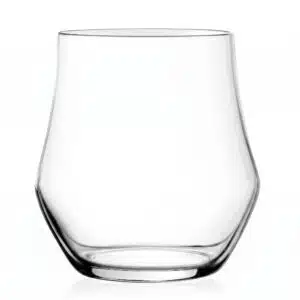
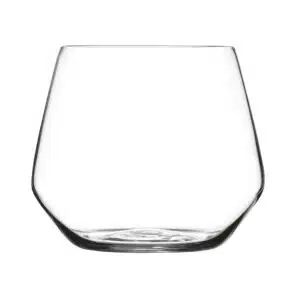
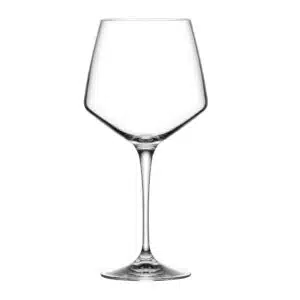
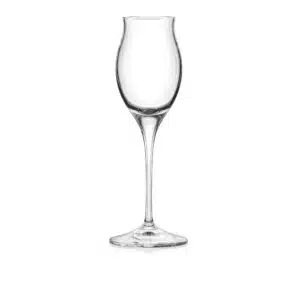









When customers walk into a café, they don’t just come for coffee—they come for an experience. The ambiance, aroma, presentation, and even the crockery all work together to shape their perception. Surprisingly, one of the most overlooked yet impactful decisions café owners make is choosing between porcelain vs ceramic crockery.
At first glance, both may look similar. But in reality, the differences between them can influence your brand image, durability costs, customer satisfaction, and even your profit margins.
So how do you choose the right one for your café?
This comprehensive guide breaks down everything you need to know about porcelain vs ceramic crockery, helping you make a smart, informed, and business-savvy decision. Whether you’re launching a new café or upgrading your tableware, this article will give you the clarity you need.
What Is Crockery? Understanding the Basics
Before diving deeper into porcelain vs ceramic crockery, it’s important to understand what crockery actually includes.
Crockery refers to tableware items such as:
- Plates
- Bowls
- Cups and saucers
- Mugs
- Serving dishes
These items are essential in cafés not just for functionality but also for presentation and branding.
read more : Stainless Steel vs Aluminum Cookware for Coffee Shop Kitchens
Why Crockery Matters in Cafes
Crockery is more than just a vessel—it’s part of your storytelling.
- It enhances food presentation
- Reflects your café’s theme and personality
- Influences customer perception of quality
- Affects durability and replacement costs
This is why the debate around porcelain vs ceramic crockery is so important for café owners.
Porcelain vs Ceramic Crockery: Key Differences Explained
Understanding the fundamental differences between porcelain vs ceramic crockery is the first step toward making the right choice.
Definition of Porcelain Crockery
Porcelain is a type of ceramic made from refined clay and fired at very high temperatures (typically 1200–1400°C).
Key characteristics:
- Smooth, fine texture
- Translucent appearance
- Highly durable and non-porous
- Elegant and premium look
Definition of Ceramic Crockery
Ceramic crockery is a broader category that includes earthenware, stoneware, and other clay-based products fired at lower temperatures.
Key characteristics:
- Thicker and heavier
- More porous (unless glazed)
- Rustic and artisanal look
- More affordable
Porcelain vs Ceramic Crockery: Appearance and Aesthetic Appeal
First impressions matter in the café industry.
Porcelain Aesthetic
- Clean, minimalist, and elegant
- Often used in upscale cafés and fine dining
- Enhances the visual appeal of food
- Usually white or lightly decorated
Ceramic Aesthetic
- Rustic, handmade, and earthy
- Perfect for cozy, artisan-style cafés
- Comes in various colors and textures
- Often features unique patterns
👉 Tip: Choose based on your brand identity.
Porcelain vs Ceramic Crockery: Durability and Strength
Durability is a major factor in the porcelain vs ceramic crockery debate.
Porcelain Durability
- Fired at higher temperatures → stronger structure
- Resistant to chips and cracks
- Non-porous → less prone to staining
- Long lifespan
Ceramic Durability
- Softer and more prone to chipping
- Heavier → may break easily when dropped
- Can absorb moisture if unglazed
Quick Comparison Table
| Feature | Porcelain | Ceramic |
| Strength | High | Moderate |
| Chip Resistance | Strong | Weaker |
| Lifespan | Long | Medium |
| Porosity | Low | Higher |
Porcelain vs Ceramic Crockery: Cost Considerations
Budget plays a crucial role in decision-making.
Porcelain Costs
- Higher upfront investment
- Lower long-term replacement costs
- Ideal for high-end cafés
Ceramic Costs
- More affordable initially
- Higher replacement frequency
- Better for startups or casual cafés
👉 Insight: Over time, porcelain can actually be more cost-effective despite the higher initial price.
Porcelain vs Ceramic Crockery: Heat Resistance and Performance
Cafés deal with hot beverages and food constantly.
Porcelain Performance
- Excellent heat retention
- Safe for ovens and microwaves
- Less likely to crack under temperature changes
Ceramic Performance
- Good heat retention
- May crack with sudden temperature shifts
- Depends on quality
Porcelain vs Ceramic Crockery: Maintenance and Cleaning
Cleanliness is critical in food service.
Porcelain Maintenance
- Non-porous → resists stains and odors
- Easy to clean
- Dishwasher safe
Ceramic Maintenance
- Can absorb stains if not properly glazed
- Requires more careful cleaning
- Some types are dishwasher safe
Porcelain vs Ceramic Crockery: Weight and Handling
Handling matters in busy cafés.
Porcelain
- Lightweight
- Easy for staff to carry multiple items
- Reduces fatigue
Ceramic
- Heavier
- More stable on tables
- Can be harder to handle in bulk
Porcelain vs Ceramic Crockery: Brand Image and Customer Perception
Your crockery speaks before your food does.
Porcelain Perception
- Premium
- Professional
- Clean and modern
Ceramic Perception
- Warm and inviting
- Handmade feel
- Artistic and unique
👉 Customers often associate porcelain with higher quality.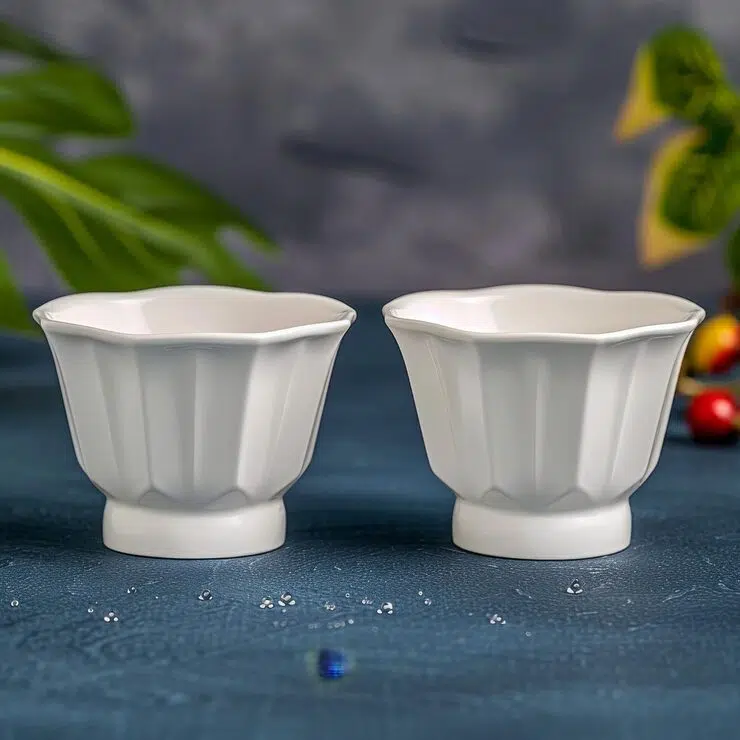
Porcelain vs Ceramic Crockery: Which Is Better for Different Café Types?
Choosing between porcelain vs ceramic crockery depends on your café concept.
Best for Porcelain
- Luxury cafés
- Minimalist coffee shops
- Fine dining environments
- High-volume cafés
Best for Ceramic
- Rustic cafés
- Artisan coffee shops
- Themed cafés
- Instagram-focused aesthetics
How to Choose the Right Crockery for Your Café (Step-by-Step Guide)
Step 1: Define Your Brand Identity
- Modern → Porcelain
- Rustic → Ceramic
Step 2: Consider Your Budget
- Tight budget → Ceramic
- Long-term investment → Porcelain
Step 3: Evaluate Usage Frequency
- High turnover → Porcelain
- Low traffic → Ceramic
Step 4: Think About Maintenance
- Easy cleaning → Porcelain
- Artistic look → Ceramic
Step 5: Test Before Buying
Always order samples before bulk purchasing.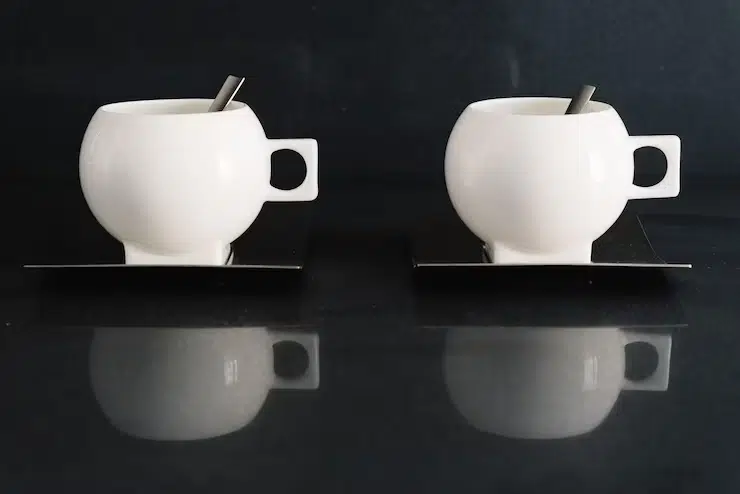
Real-Life Example: Café Case Study
Imagine two cafés:
Café A (Luxury Urban Café)
- Uses porcelain crockery
- Clean white aesthetic
- Higher pricing
- Attracts professionals
Café B (Rustic Artisan Café)
- Uses ceramic crockery
- Earthy tones and textures
- Cozy atmosphere
- Attracts creatives and students
👉 Both succeed—but with different strategies.
read more : Plastic vs Wooden Cutting Boards for Cafe Kitchens
Pros and Cons Summary
Porcelain Crockery
Pros:
- Durable
- Elegant
- Easy to clean
- Long-lasting
Cons:
- Expensive
- Less variety in texture
Ceramic Crockery
Pros:
- Affordable
- Unique designs
- Warm aesthetic
Cons:
- Less durable
- Higher maintenance
Frequently Asked Questions
What is the main difference in porcelain vs ceramic crockery?
Porcelain is a refined, high-temperature-fired ceramic that is stronger, smoother, and less porous, while ceramic is a broader category that includes heavier and more rustic materials.
Which is more durable: porcelain or ceramic?
Porcelain is more durable due to its high firing temperature and dense structure.
Is porcelain more expensive than ceramic?
Yes, porcelain typically has a higher upfront cost but lasts longer, making it cost-effective over time.
Can ceramic crockery be used in cafes?
Absolutely. Ceramic is ideal for rustic or themed cafés and offers a unique aesthetic.
Which is better for hot drinks?
Porcelain is better for hot drinks due to its superior heat retention and resistance.
Does porcelain break easily?
Despite being thinner, porcelain is actually stronger and more resistant to breaking than ceramic.
Is ceramic crockery dishwasher safe?
Most glazed ceramic crockery is dishwasher safe, but it depends on quality.
Which crockery is better for branding?
Both can work—porcelain for a premium look, ceramic for a handcrafted feel.
Is porcelain eco-friendly?
Yes, porcelain is durable and long-lasting, reducing waste over time.
Can I mix porcelain and ceramic in my café?
Yes, many cafés mix both to create visual contrast and enhance presentation.
Conclusion
Choosing between porcelain vs ceramic crockery is not just a design decision—it’s a strategic business move. From durability and cost to branding and customer experience, every factor plays a role in shaping your café’s success.
If you’re aiming for elegance, longevity, and efficiency, porcelain is your best bet. If your goal is warmth, uniqueness, and artistic flair, ceramic might be the perfect fit.
Ultimately, the right choice depends on your café’s identity, budget, and customer expectations.
👉 Take the next step: evaluate your needs, test samples, and invest in crockery that truly represents your brand.
If you found this guide helpful, share it with fellow café owners, leave a comment with your experience, and explore more expert guides on building a successful café.


