













When setting up a cafe kitchen, every choice matters — from the appliances to the utensils. One of the most essential kitchen tools you’ll need is a cutting board. But when it comes to plastic vs wooden cutting board options, which one should you choose for your café kitchen? Each type of cutting board comes with its advantages and disadvantages, and understanding these can help you make the best decision for your kitchen’s needs.
In this article, we’ll explore the pros and cons of plastic vs wooden cutting boards, helping you weigh the options based on factors like maintenance, durability, hygiene, and price. Whether you’re running a small café or a large coffee shop, this guide will equip you with the knowledge you need to choose the right cutting board for your kitchen.
Why Cutting Board Material Matters in Your Café Kitchen
Choosing the right cutting board for your café is more important than it may seem. The material you choose will impact the efficiency of your kitchen, the quality of your food preparation, and even the longevity of your equipment. A plastic vs wooden cutting board decision is not just about personal preference—it’s about finding the best fit for the demands of a high-volume kitchen.
Here’s why this choice matters:
- Hygiene: A cutting board will come into contact with raw meats, vegetables, and other food ingredients. Understanding how easily the material cleans and how it resists bacteria is crucial to maintaining food safety.
- Durability: A high-quality cutting board should withstand frequent use without losing its integrity or becoming a breeding ground for germs.
- Ease of Maintenance: Some materials require more maintenance than others, which may increase your time and costs.
- Aesthetic Appeal: In a café, kitchen aesthetics can also be important. A well-chosen cutting board adds to the look and feel of your culinary space.
Let’s dive deeper into the key factors to consider when deciding between plastic vs wooden cutting boards for your café.
read more : How to Choose the Best Kitchen Tools for Coffee Shop Kitchen
Plastic vs Wooden Cutting Boards: Comparing the Basics
Before deciding, it’s essential to understand the fundamental differences between plastic and wooden cutting boards. Both materials serve the same purpose but behave differently in a commercial kitchen setting.
1. Hygiene and Food Safety
Hygiene is a top priority in any commercial kitchen, especially in a fast-paced environment like a café. Let’s compare how plastic vs wooden cutting boards stack up in terms of cleanliness.
Plastic Cutting Boards
- Non-porous: Plastic cutting boards are non-porous, meaning they do not absorb liquids or food particles. This makes them easier to clean and sanitize.
- Dishwasher Safe: Most plastic cutting boards are dishwasher safe, making them easier to clean thoroughly.
- Potential for Grooves: Over time, plastic boards can develop grooves where food particles can get trapped. These grooves may harbor bacteria if not cleaned properly.
Wooden Cutting Boards
- Porous Nature: Wood is naturally more porous, which means it can absorb moisture and food particles. This makes it more challenging to clean, especially when working with raw meats.
- Bacterial Growth: Because wood is porous, there is a risk of bacterial growth if not cleaned and maintained regularly.
- Natural Antibacterial Properties: Some studies suggest that wooden cutting boards may have natural antibacterial properties due to the structure of the wood, but this is only true when the board is properly maintained.
2. Durability and Longevity
Both plastic and wooden cutting boards have their strengths when it comes to durability. Let’s break down their performance under heavy use.
Plastic Cutting Boards
- Scratches and Cuts: Plastic cutting boards tend to develop grooves and cuts over time, especially when used frequently. These grooves can compromise the board’s cleanliness.
- Less Resilient: Plastic boards are not as resilient as wood, and after prolonged use, they may begin to show signs of wear and tear, such as cracking or becoming misshapen.
Wooden Cutting Boards
- Longevity: High-quality wooden cutting boards, especially those made from hardwoods like maple or oak, are incredibly durable and can last for years with proper care.
- Surface Repair: Unlike plastic, scratches and grooves in wood can often be sanded down, restoring the board’s smooth surface. This can extend the life of your board for much longer.
- Cracking and Warping: Wood boards can warp if exposed to moisture, but with proper maintenance, this can be minimized.
3. Knife Friendliness
The material you choose for your cutting board will have a direct impact on your knives.
Plastic Cutting Boards
- Knife Damage: Plastic cutting boards are often harder on knives, causing them to dull more quickly. This can lead to higher maintenance costs for your kitchen knives.
- Better for Precision: For tasks that require a lot of precision cutting, plastic boards can be harder on your knives compared to wooden boards.
Wooden Cutting Boards
- Gentler on Knives: Wooden boards are gentler on knives, helping them retain their sharpness for a longer period. This can be a key factor for cafes where quality and precision are important.
- Smooth Surface: A smooth wooden surface makes cutting easier and less stressful on your tools.
read more : Cafe Kitchen Equipment Cost in Dubai: Budget Guide for New Coffee Shops
Plastic vs Wooden Cutting Board: Cost Comparison
When it comes to budgeting, plastic vs wooden cutting boards can vary significantly in price. Here’s a breakdown:
Plastic Cutting Boards
- Budget-Friendly: Plastic cutting boards are typically less expensive than wood, especially for the basic models. This makes them a good choice for cafes that need a high volume of boards or are just starting out.
- Initial Investment: A high-quality plastic cutting board may cost between AED 100 and AED 500, depending on the brand and size.
Wooden Cutting Boards
- Higher Upfront Cost: Wooden cutting boards made from durable hardwoods can cost between AED 300 and AED 2,000 or more, depending on the size and quality of the wood.
- Long-Term Investment: While the upfront cost is higher, wooden boards tend to last longer and can be repaired, making them a better long-term investment for cafes with a high volume of prep work.
Aesthetics and Presentation
In a café kitchen, aesthetics matter. Customers are often drawn to cafes that have a sense of character and personality, and the cutting boards you use can contribute to this.
Plastic Cutting Boards
- Functional but Less Attractive: Plastic cutting boards are highly functional but may lack the aesthetic appeal that wood can provide.
- Variety of Colors: Plastic boards come in a variety of colors, which can be used to color-code different types of food prep (e.g., red for meats, green for vegetables).
Wooden Cutting Boards
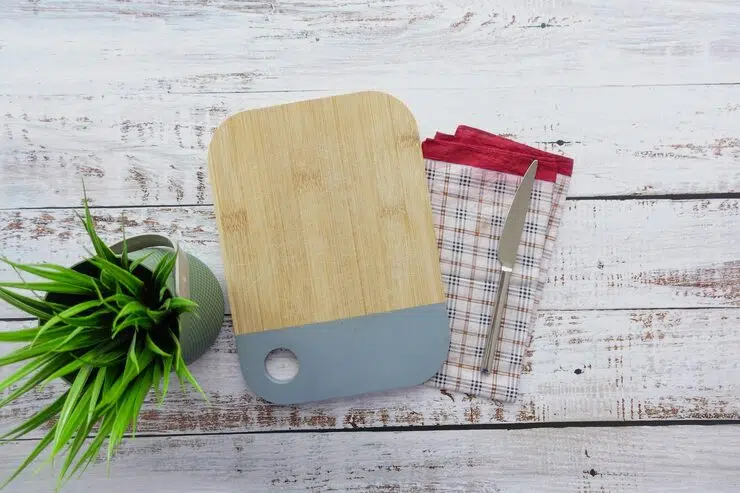
- Professional and Stylish: Wooden boards are often viewed as more professional and stylish. They provide a rustic and elegant aesthetic that can enhance the visual appeal of your café kitchen.
- Warmth and Texture: The natural texture of wood adds warmth and a more upscale feel to your kitchen.


When to Choose Plastic or Wooden Cutting Boards for Your Café Kitchen
Both plastic and wooden cutting boards have their place in a café kitchen. Here’s when you might want to opt for one over the other:
When to Choose Plastic
- If you have a high turnover of cutting boards and need something easy to clean and replace
- If hygiene and easy maintenance are top priorities for your kitchen
- If your café works with raw meats or other items that require frequent sanitization
When to Choose Wooden
- If you’re looking for a cutting board that will last for years and is gentle on your knives
- If your café emphasizes quality and presentation, and you want an aesthetically pleasing option
- If you are prepared to maintain your boards with oiling and regular cleaning
Frequently Asked Questions
What is better for a café, plastic or wooden cutting boards?
The choice between plastic vs wooden cutting boards depends on your café’s specific needs. For high hygiene standards and easy cleaning, plastic is ideal. If you prioritize durability and knife preservation, wood is a better choice.
How do I maintain a wooden cutting board in a café?
To maintain a wooden cutting board, regularly clean it with warm water and soap, dry it thoroughly, and oil it every few months to prevent cracking.
Are plastic cutting boards safe for cutting raw meat?
Yes, plastic cutting boards are often preferred for cutting raw meat due to their non-porous nature and easy cleaning, which reduces the risk of cross-contamination.
Conclusion
The debate between plastic vs wooden cutting boards boils down to your café’s priorities. If hygiene, easy cleaning, and budget are your top concerns, plastic cutting boards may be the best fit. However, if you’re looking for durability, knife preservation, and a more aesthetic appeal, wooden cutting boards will likely be the better long-term investment.
Ultimately, the right choice will depend on your café’s specific needs and kitchen dynamics. By considering the factors above, you can make an informed decision that helps you create a successful café kitchen.


