













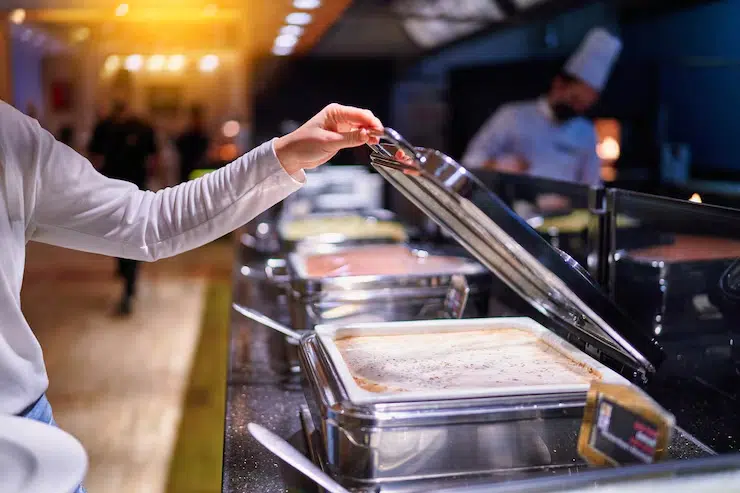
Running multiple fast food branches comes with a unique set of challenges. Among them, one of the most overlooked yet critical factors for success is the standardization of restaurant equipment. Inconsistent equipment can lead to uneven food quality, slower service, higher maintenance costs, and frustrating training processes for staff.
Imagine ordering a burger at one location, only to find the taste, texture, and even presentation differ at another branch. The culprit often lies in a lack of equipment standardization. This article will explore the importance, benefits, and step-by-step strategies for standardizing restaurant equipment across multiple fast food outlets. By the end, you’ll have actionable insights to streamline your operations and elevate your brand’s reputation.
Why Standardizing Restaurant Equipment Matters
Standardization isn’t just about having identical fryers or ovens; it’s about creating a consistent experience for every customer and optimizing operational efficiency. Fast food chains like McDonald’s and KFC have perfected this approach, enabling rapid expansion without sacrificing quality.
Here’s why it’s crucial:
- Consistency in Food Quality – When every branch uses the same ovens, grills, and fryers, cooking times and temperatures are uniform, ensuring customers receive the same taste and texture no matter the location.
- Simplified Staff Training – New employees can adapt faster if equipment operates the same way across branches. Training manuals and operational procedures become more straightforward, reducing errors.
- Reduced Maintenance Costs – Bulk purchasing of identical machines often comes with discounts and easier access to spare parts. Service technicians also benefit from familiar systems, minimizing downtime.
- Streamlined Inventory Management – Using standardized appliances allows you to centralize orders for consumables and parts, reducing waste and costs.
- Brand Integrity – Consistency is a hallmark of successful fast food chains. Customers recognize reliability and quality, increasing trust and repeat business.

Key Challenges in Standardizing Restaurant Equipment
While the benefits are clear, standardizing restaurant equipment across multiple branches comes with obstacles. Recognizing these challenges early will help you implement solutions effectively.
1. Budget Constraints
Upgrading or replacing equipment requires upfront capital. Not all branches may have the same financial capacity, which can lead to delays or partial standardization.
2. Legacy Equipment
Older branches might have equipment that’s incompatible with new models. Transitioning requires careful planning to avoid operational downtime.
3. Space Limitations
Each branch layout differs. Equipment standardization must consider the size and design of kitchens to avoid overcrowding or workflow issues.
4. Staff Resistance
Change is never easy. Staff accustomed to specific machines may initially resist new equipment. Training and clear communication are essential for smooth adoption.
read more : Scaling Fast Food Kitchen Equipment: Guide for Cloud Kitchens
Step-by-Step Guide to Standardizing Restaurant Equipment
Implementing a successful standardization plan requires a systematic approach. Here’s a practical roadmap:
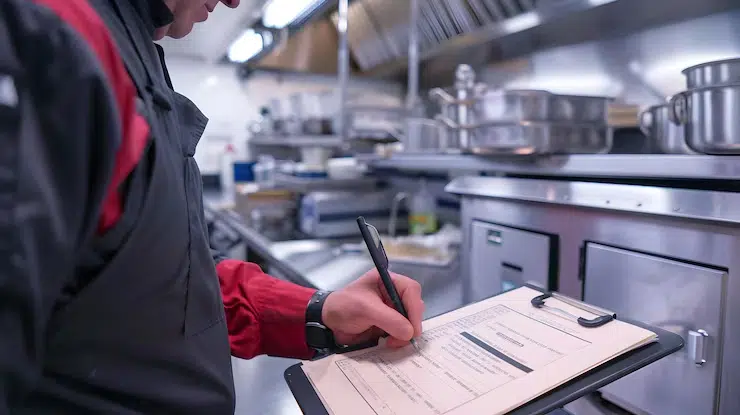
1. Conduct a Comprehensive Equipment Audit
Start by inventorying all kitchen appliances across your branches. Document the following:
- Make and model
- Age of equipment
- Condition and maintenance history
- Energy efficiency
- Usage frequency
This audit provides insight into which machines need replacement, which can be upgraded, and which can remain.
2. Define Standard Equipment Specifications
Create a blueprint of the ideal kitchen setup for all branches. Include:
- Oven types and capacities
- Fryer specifications
- Refrigeration units
- Beverage dispensers
- POS systems
3. Select Reliable Vendors and Models
Choosing the right vendors is crucial for long-term consistency. Consider:
- Warranty and service support
- Availability of spare parts
- Ease of training staff
- Energy efficiency and durability
Bulk purchasing from a single vendor often comes with discounts and ensures uniformity across branches.
4. Plan a Phased Implementation
Rather than replacing all equipment at once, use a phased approach:
- Begin with high-traffic branches or locations with outdated equipment.
- Train staff on new appliances before full rollout.
- Monitor performance and gather feedback before the next phase.

This reduces disruption and allows adjustments before complete standardization.
5. Train Employees Consistently
Staff training is critical. Develop:
- Detailed manuals for each machine
- Hands-on training sessions
- Video tutorials for common issues
A standardized training program ensures all employees, regardless of branch, follow the same procedures.
6. Monitor and Optimize
Once equipment is standardized, ongoing monitoring ensures long-term success:
- Track maintenance schedules and costs
- Compare performance metrics between branches
- Implement feedback loops to identify inefficiencies
read more : Central Kitchen Setup for Fast Food Chains
Benefits Beyond Efficiency
While operational efficiency is a primary goal, standardizing restaurant equipment brings additional strategic advantages:
1. Enhanced Customer Experience
Customers value predictability. When burgers, fries, or beverages taste the same across locations, brand loyalty strengthens.
2. Environmental Impact
Modern, standardized equipment is often more energy-efficient. Centralizing orders reduces packaging and logistics footprint, contributing to sustainability goals.
3. Scalability
For fast food chains planning to expand, standardized kitchens simplify the replication process. Opening a new branch becomes a matter of following a proven blueprint, reducing trial-and-error costs.
4. Data-Driven Insights
Standardization allows you to compare performance metrics across branches reliably, enabling smarter decisions on staffing, menu adjustments, and maintenance.
Top Equipment Categories to Standardize
Focusing on core kitchen equipment categories yields the most immediate benefits:
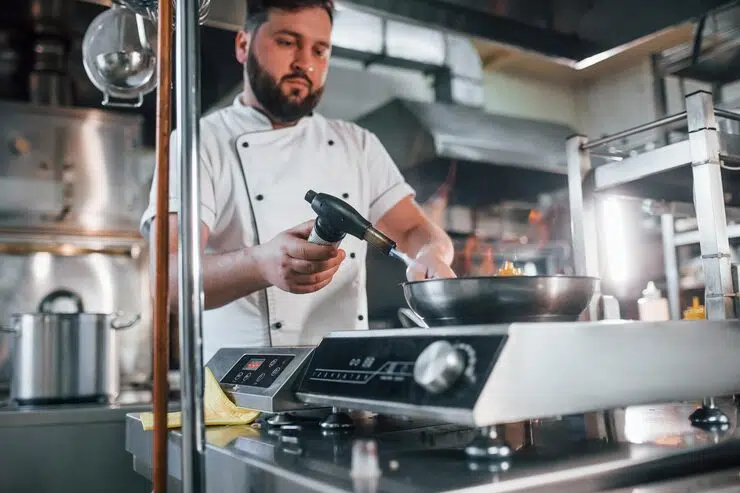
- Cooking Appliances – Fryers, ovens, grills, and microwaves. Consistent cooking output is critical.
- Refrigeration Units – Freezers and refrigerators ensure food safety and uniform ingredient storage.
- Beverage Equipment – Soda dispensers, coffee machines, and blenders affect both quality and speed.
- Point-of-Sale (POS) Systems – Standardized POS systems streamline ordering, reduce errors, and facilitate data collection.
- Prep and Storage Equipment – Cutting boards, prep tables, and shelving can also benefit from standardization for workflow efficiency.
Practical Tips for Smooth Implementation
- Pilot Test – Start with one branch to refine the process before scaling.
- Centralize Orders – Buy equipment and spare parts in bulk to save costs.
- Communicate Clearly – Inform staff about the benefits to secure buy-in.
- Document Everything – Maintain detailed records of equipment specs, installation dates, and maintenance schedules.
- Leverage Technology – Use inventory management software to track equipment usage and performance.
Case Study: Successful Equipment Standardization
Consider how McDonald’s approached this challenge. They developed a global kitchen standard, ensuring every burger and fry tastes the same worldwide. By investing in standardized fryers, grills, and beverage machines, they reduced training time, minimized maintenance issues, and provided a consistent customer experience.
Even smaller chains can replicate this success by focusing on critical equipment and implementing a phased standardization plan.
Conclusion: Take Action on Standardizing Restaurant Equipment
For fast food chains operating multiple branches, standardizing restaurant equipment is no longer optional—it’s a strategic necessity. The benefits range from consistent food quality and streamlined operations to improved staff efficiency and enhanced customer loyalty.
By conducting a thorough audit, defining equipment standards, training employees, and monitoring performance, you can transform your operations into a model of consistency and efficiency.
Start small, plan carefully, and scale gradually. Standardization isn’t just about machines—it’s about building a reliable brand experience that customers trust and love.
✅ Implement these strategies today to reduce costs, improve operations, and elevate your fast food chain’s reputation. Share your experiences in the comments and join the conversation on best practices for equipment standardization!
Ready to upgrade your kitchen? Explore the best restaurant kitchen equipment in the UAE today and take your business to the next level. Click here to discover top-quality solutions that will streamline your operations and boost efficiency


