










Choosing the right tableware is an important decision for restaurants, hotels, cafes, catering companies and hospitality businesses. Plates, bowls and serving pieces must look attractive, handle daily use and support efficient food service.
Two of the most common options are melamine and porcelain tableware. Both materials are available in different styles, sizes and designs, but they offer different advantages for commercial operations.
Melamine is known for being lightweight, practical and highly resistant to breakage. Porcelain is valued for its elegant appearance, premium feel and professional presentation. The best option depends on your restaurant concept, menu, service environment, budget, storage space and daily operating requirements.
Horeca Hut offers professional restaurant crockery in UAE, including porcelain, ceramic and melamine tableware for restaurants, hotels, cafes, catering services and hospitality projects. The collection includes dinner plates, bowls, serving pieces and other commercial dinnerware options. (horecahut.ae)
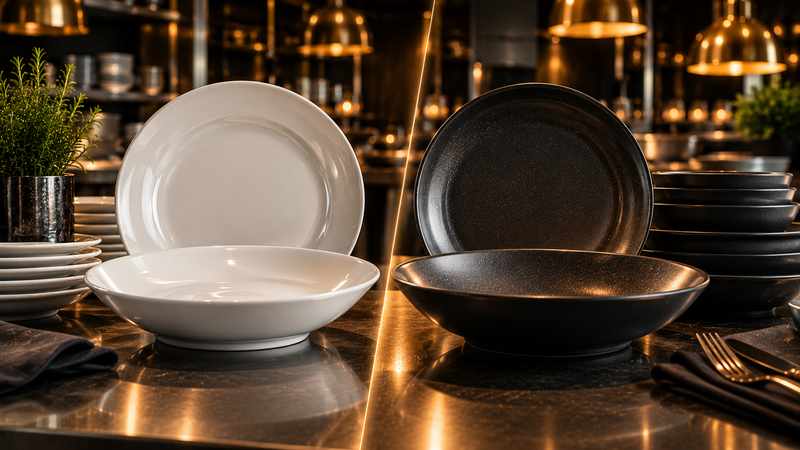
Melamine vs Porcelain Tableware: Quick Comparison
| ميزة | Melamine Tableware | Porcelain Tableware |
| الوزن | خفيف الوزن | أثقل |
| Breakage resistance | مرتفع جداً | Good but breakable |
| المظهر | Modern, practical and versatile | Elegant and premium |
| Best for | Outdoor, buffet, poolside and casual service | Fine dining, hotels and premium restaurants |
| Handling | Easy to transport and stack | Requires more careful handling |
| أداء الحرارة | Suitable for many serving applications, subject to manufacturer instructions | Suitable for hot food and professional dining |
| التكلفة | Often economical for high-volume use | Higher investment for premium collections |
| Microwave use | Must be checked with the manufacturer | Usually suitable if specified by the manufacturer |
| Commercial use | Excellent for selected environments | Excellent for dining and presentation |
| Main advantage | Durability and low weight | Style and premium presentation |
What Is Melamine Tableware?
Melamine is a durable material commonly used for plates, bowls, trays and serving pieces. It is popular in environments where tableware must be lightweight and resistant to breakage.
Melamine tableware can be suitable for:
- المطاعم العادية
- Outdoor dining
- Poolside restaurants
- نوادي الشاطئ
- فنادق
- بوفيهات
- شركات التموين
- School and staff cafeterias
- Fast-casual restaurants
- أسواق الطعام
- Events and temporary service locations
Melamine plates and bowls are available in many colors and styles. Some products are designed to imitate ceramic or porcelain while offering better resistance to breakage.
What Is Porcelain Tableware?
Porcelain is a refined ceramic material used in restaurants, hotels and professional dining environments. It is often chosen for its smooth surface, elegant appearance and ability to enhance food presentation.
Porcelain tableware is commonly used in:
- مطاعم الوجبات الفاخرة
- Luxury hotels
- قاعات الولائم
- High-end cafes
- خدمة الغرف
- Premium catering
- Business lounges
- Breakfast restaurants
- Chef-led dining concepts
Porcelain plates can create a clean and sophisticated appearance. White porcelain is especially popular because it allows the colors and textures of food to stand out.
You can explore more options through Horeca Hut’s commercial tableware collection, which includes dining accessories and professional products for hospitality service. (horecahut.ae)
Advantages of Melamine Tableware
1. Excellent Resistance to Breakage
The main advantage of melamine is its resistance to breaking. This makes it useful in locations where plates and bowls may be handled frequently or exposed to accidental drops.
Melamine can reduce the risk of:
- Broken plates
- Sharp fragments
- Service interruptions
- Replacement costs
- Accidents during outdoor service
- Damage during transportation
This is particularly important for poolside restaurants, catering businesses and buffet areas where guests and staff may move around frequently.
2. Lightweight Handling
Melamine is usually lighter than porcelain. Its lower weight can make a difference when staff carry multiple plates, clear tables or transport dishes between the kitchen and dining area.
Lightweight tableware may help reduce:
- إرهاق الموظفين
- Carrying effort
- Transportation costs
- Storage pressure
- Handling time during events
For large catering operations, lightweight dinnerware can be easier to move between venues.
3. Suitable for Outdoor Service
Outdoor restaurants and hospitality venues often prefer melamine because it is practical for terraces, gardens, pool areas and open-air events.
It can be suitable for:
- Hotel poolside service
- Outdoor cafes
- Beach restaurants
- Garden dining
- Food trucks
- Catering events
- Picnic-style service
The exact use should always follow the product’s care and temperature instructions.
4. Practical for Buffets
Melamine can be an effective choice for buffet service where plates are handled by many guests. Its resistance to breakage can help reduce damage in busy self-service areas.
Hotels may use melamine for:
- بوفيهات الإفطار
- Poolside buffets
- Staff dining
- Casual event service
- Outdoor food stations
- Children’s dining areas
For a complete buffet setup, combine tableware with suitable buffetware and food presentation products.
5. Wide Range of Designs
Melamine is available in different colors, shapes and finishes. Restaurants can choose products that match their branding, interior design or menu presentation.
Available styles may include:
- White melamine plates
- Black melamine plates
- Wood-effect designs
- Slate-effect plates
- Colored bowls
- Patterned serving trays
- Rustic-style tableware
- Modern geometric shapes
This makes melamine suitable for casual and creative restaurant concepts.
Disadvantages of Melamine Tableware

Although melamine has many advantages, it may not be the best choice for every restaurant.
Limited Premium Feel
Some fine dining restaurants prefer the weight and texture of porcelain. Melamine can look attractive, but it may not create the same premium impression as high-quality porcelain.
Heat and Usage Restrictions
Melamine products may have limitations concerning ovens, microwaves, direct heat or very hot food. Always check the manufacturer’s instructions before using melamine with high temperatures.
Possible Scratching
Some melamine products can develop scratches if they are cleaned with abrasive materials or stacked incorrectly. Staff should use suitable cleaning procedures and avoid harsh scouring pads.
May Not Suit Every Concept
Luxury restaurants, formal hotels and premium banquet venues may prefer porcelain because it fits their brand image and dining experience.
Advantages of Porcelain Tableware
1. Elegant Food Presentation
Porcelain provides a refined background for food. Its smooth surface and clean appearance can improve the presentation of appetizers, main courses, desserts and tasting menus.
Porcelain works particularly well with:
- Fine dining dishes
- Modern plating
- Multi-course menus
- Gourmet desserts
- Premium hotel service
- Chef specials
- International cuisine
2. Premium Guest Experience
The weight and feel of porcelain can contribute to a more luxurious dining experience. Guests often associate porcelain with formal restaurants, hotels and quality service.
A well-selected porcelain collection can improve:
- Table appearance
- تصور العلامة التجارية
- رضا الضيوف
- Restaurant photography
- Menu presentation
- Dining room consistency
3. Suitable for Professional Dining
Porcelain is widely used in restaurant and hotel dining areas because it provides an attractive and professional appearance. It can be used for breakfast, lunch, dinner, room service and banquet operations.
4. Easy to Coordinate
Porcelain is available in classic white, colored finishes, textured designs and modern shapes. It can be matched with:
- Stainless steel cutlery
- أواني زجاجية
- Table linens
- Wooden serving boards
- Metal serving pieces
- معدات البوفيه
- Restaurant accessories
For a coordinated dining setup, pair porcelain plates with professional restaurant cutlery in UAE. Horeca Hut’s cutlery collection includes forks, knives, spoons and serving pieces for restaurants, hotels and catering businesses. (horecahut.ae)
5. Suitable for Hot Food Service
Porcelain is commonly selected for soups, sauces, baked dishes and hot main courses. However, restaurants should still follow the manufacturer’s temperature and care instructions.
Disadvantages of Porcelain Tableware
Higher Breakage Risk
Porcelain is durable, but it can break or chip if dropped or handled carelessly. Restaurants should keep sufficient backup stock for damaged products.
Heavier Weight
Porcelain is generally heavier than melamine. This can affect table clearing, storage and transportation, especially during large events.
Higher Replacement Cost
Premium porcelain collections may cost more to replace. If a specific design is discontinued, finding matching pieces can also become difficult.
Requires More Care During Transport
Catering companies and mobile foodservice businesses must transport porcelain carefully. Suitable racks and protective packaging are recommended.
Melamine vs Porcelain for Different Restaurant Types
مطاعم الوجبات الفاخرة
Porcelain is usually the better choice for fine dining restaurants. The elegant appearance, weight and smooth finish support premium presentation.
Fine dining restaurants may use:
- Large presentation plates
- Coupe plates
- Deep pasta bowls
- Dessert plates
- Small appetizer plates
- Sauce dishes
- Elegant serving platters
Melamine may be used only in selected back-of-house or outdoor areas if it matches the concept.
Casual Restaurants
Casual restaurants can choose either material. The decision should depend on the menu, customer flow and service environment.
Porcelain is suitable when the restaurant wants a traditional or premium look. Melamine may be more practical for high-volume operations, outdoor tables and casual food presentation.
فنادق
Hotels often use both melamine and porcelain. Different departments may require different tableware solutions.
Porcelain can be used for:
- مطاعم الوجبات الفاخرة
- خدمة الغرف
- حفلات
- Hotel lounges
- Premium breakfast service
Melamine may be used for:
- Poolside dining
- الفعاليات الخارجية
- Staff dining
- Casual buffet service
- Children’s areas
Cafes and Bakeries
Cafes and bakeries may choose porcelain for cakes, pastries, breakfast dishes and coffee service. Melamine can be useful for outdoor seating or high-volume casual service.
Important cafe tableware may include:
- Side plates
- Dessert plates
- Cake plates
- Soup bowls
- Breakfast plates
- صواني التقديم
- Coffee cups
- Small condiment dishes
شركات التموين
Catering companies should consider transport, breakage, event type and storage. Melamine is usually easier to transport and can be practical for outdoor or informal events.
Porcelain may be preferred for:
- حفلات الزفاف
- Corporate dinners
- Luxury events
- Hotel banquets
- Formal celebrations
Poolside and Outdoor Restaurants
Melamine is often more practical for outdoor environments because it is lightweight and resistant to breakage. It can reduce safety risks around swimming pools, terraces and open dining areas.
Which Is More Durable: Melamine or Porcelain?
Durability depends on the type of damage being considered.
Melamine is generally more resistant to:
- Dropping
- Accidental impacts
- Outdoor handling
- Repeated transportation
- High-volume casual service
Porcelain can be durable against:
- Regular washing
- Repeated dining use
- Hot food service
- Normal restaurant handling
- Professional table settings
However, porcelain remains more vulnerable to chips and breakage from impact. Melamine may last longer in environments where accidental drops are common.
Which Is Better for Hotels?
Hotels should not automatically choose one material for every department. A mixed tableware strategy is often more practical.
Recommended Hotel Approach
Use porcelain for:
- Main hotel restaurants
- Fine dining
- خدمة الغرف
- قاعات الولائم
- Formal events
- Guest-facing premium areas
Use melamine for:
- Poolside areas
- Outdoor cafes
- Casual buffets
- Staff dining
- High-risk transportation areas
- Informal events
This approach allows the hotel to maintain a premium guest experience while controlling breakage and operating costs in selected areas.
Which Is Better for Buffets?
The answer depends on the type of buffet.
Indoor Hotel Buffet
Porcelain may be suitable for a premium indoor buffet where presentation is a major priority.
Outdoor Buffet
Melamine may be more practical for outdoor buffets because it is lightweight and resistant to breakage.
High-Volume Breakfast Buffet
Many hotels may benefit from porcelain for the guest-facing buffet while keeping melamine as an alternative for poolside or staff service.
Restaurants should also select appropriate serving utensils and buffet accessories to improve food presentation and service flow. (horecahut.ae)
Cost Comparison: Melamine vs Porcelain

The total cost of tableware includes more than the purchase price. Restaurants should also consider:
- Breakage
- Replacement
- النقل
- تخزين
- غسيل
- Staff handling
- Product availability
- Long-term design consistency
Melamine Cost Considerations
Melamine may reduce costs related to breakage and transportation. It is often useful when businesses need large quantities of lightweight tableware.
Porcelain Cost Considerations
Porcelain may require a larger initial investment, especially for premium collections. However, it can provide stronger visual value and support a higher-end restaurant concept.
The correct decision should be based on total operating value rather than price alone.
Cleaning and Maintenance Comparison
Melamine Care Tips
To maintain melamine tableware:
- Follow the manufacturer’s cleaning instructions.
- Avoid abrasive cleaning pads.
- Do not use melamine in ovens unless approved.
- Check microwave compatibility before use.
- Avoid exposing products to direct flames.
- Store pieces carefully to reduce scratches.
- Remove damaged items from service.
- Avoid stacking products while they are wet.
Porcelain Care Tips
To maintain porcelain tableware:
- Use suitable commercial dishwasher settings.
- Avoid dropping plates into sinks.
- Use plate racks for storage.
- Do not overload shelves.
- Separate chipped products immediately.
- Avoid sudden temperature changes where possible.
- Inspect rims and edges regularly.
- Keep backup stock for busy service periods.
How to Choose the Right Restaurant Tableware
Consider Your Restaurant Concept
Your tableware should match the style of your restaurant. A luxury restaurant may need premium porcelain, while a poolside cafe may benefit from melamine.
Review Your Menu
Select plates and bowls according to the dishes you serve. Large plates may be required for grilled meats, while deep bowls may be needed for pasta, soups and rice dishes.
Measure Storage Space
Before ordering, check the height and depth of shelves, cabinets and plate racks. Stackable products can help save space.
Evaluate Washing Capacity
A busy restaurant requires tableware that can withstand frequent washing. Confirm dishwasher compatibility and recommended cleaning temperatures.
Calculate Guest Capacity
Estimate the number of plates and bowls required based on seating capacity, table turnover and peak hours. Always include backup stock.
Think About Replacement Availability
Choose a design that can be reordered easily. Classic white porcelain and simple melamine designs are often easier to replace than limited-edition products.
Consider Safety
For poolside, outdoor and high-traffic areas, breakage resistance should be a major consideration. For formal dining, presentation and guest experience may have more importance.
Should You Buy Melamine and Porcelain Together?
In many cases, yes. Restaurants and hotels do not have to use only one material.
A mixed collection can provide flexibility:
- Porcelain for main dining
- Melamine for outdoor service
- Porcelain for desserts
- Melamine for poolside dining
- Porcelain for banquets
- Melamine for staff areas
- Porcelain for premium room service
- Melamine for catering transport
Using both materials allows businesses to match tableware to different operational conditions.
Recommended Crockery for a New Restaurant
A new restaurant can begin with a core collection of:
- Dinner plates
- Side plates
- Dessert plates
- Soup bowls
- Pasta bowls
- Salad bowls
- Serving platters
- Large serving bowls
- Sauce dishes
- Condiment dishes
The material should be selected based on the concept and service environment.
For a Fine Dining Restaurant
Prioritize:
- White porcelain dinner plates
- Wide-rim presentation plates
- Deep porcelain bowls
- Dessert plates
- Sauce dishes
- Elegant serving platters
For a Casual Restaurant
اعتبر:
- Durable porcelain or ceramic plates
- Practical bowls
- Stackable side plates
- Serving platters
- Melamine options for outdoor use
For a Hotel Buffet
Consider a combination of:
- Porcelain dinner plates
- Cereal bowls
- Side plates
- Melamine outdoor plates
- Large serving bowls
- Buffet serving pieces
For a Catering Company
Focus on:
- Lightweight melamine plates
- Durable bowls
- Easy-to-transport serving pieces
- Stackable products
- مخزون احتياطي
- Neutral colors and designs
Melamine vs Porcelain: Frequently Asked Questions
Is melamine better than porcelain for restaurants?
Melamine is better for restaurants that need lightweight, break-resistant tableware. Porcelain is better for businesses that prioritize premium presentation and formal dining.
Is porcelain suitable for commercial kitchens?
Yes, porcelain can be suitable for restaurants, hotels and commercial kitchens when the products are designed for professional use and maintained correctly.
Can melamine be used for hot food?
Many melamine products can be used for serving food, but temperature limits vary. Always follow the manufacturer’s instructions and do not assume that every melamine item is suitable for ovens, microwaves or direct heat.
Is melamine safe for restaurants?
Melamine tableware can be suitable for commercial service when used according to the manufacturer’s instructions. Businesses should follow product-specific guidance for food temperatures, cleaning and storage.
Which material is easier to transport?
Melamine is generally easier to transport because it is lightweight and more resistant to breakage.
Which material looks more luxurious?
Porcelain generally provides a more refined and premium appearance, making it popular for fine dining restaurants, hotels and formal events.
Which material is better for outdoor dining?
Melamine is often a practical choice for outdoor dining, poolside service and catering because it is lightweight and less likely to break when dropped.
How much backup crockery should a restaurant keep?
The required backup depends on seating capacity, service volume and washing cycles. Restaurants should keep additional stock to cover breakage, peak periods and items being cleaned.
Why Buy Restaurant Tableware from Horeca Hut?
Horeca Hut provides tableware and hospitality products for restaurants, hotels, cafes, catering companies and professional foodservice businesses in the UAE.
Businesses can source crockery alongside:
- أدوات تناول الطعام
- أواني زجاجية
- أدوات البوفيه
- Serving pieces
- ملحقات المطبخ
- أدوات الطهي
- Food storage products
- Commercial kitchen equipment
Horeca Hut’s crockery collection includes options for different restaurant styles, from practical everyday dinnerware to elegant plates and serving bowls. (horecahut.ae)
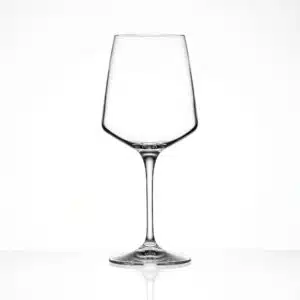
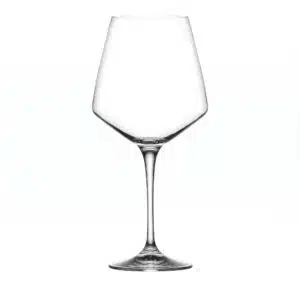
For a complete dining setup, businesses can also browse the glassware collection, which includes drinking glasses, tumblers, wine glasses, cocktail glasses and hotel glassware products. (horecahut.ae)
Restaurants can also combine their crockery order with professional cutlery to create a coordinated table setting for breakfast, lunch, dinner, events and banquet service. (horecahut.ae)
Final Recommendation
There is no single answer to the question of whether melamine or porcelain is better. The right choice depends on how and where the tableware will be used.
اختر أواني الملامين when you need:
- High breakage resistance
- Lightweight products
- Easy transportation
- Outdoor service
- Poolside dining
- Casual buffet use
- Catering flexibility
- Lower handling risk
اختر porcelain tableware when you need:
- Elegant food presentation
- Premium dining experience
- Fine dining service
- Hotel restaurant presentation
- Formal banquets
- Luxury room service
- Professional plated dishes
- Classic restaurant styling
For many restaurants and hotels, the best solution is a combination of both. Use porcelain in premium guest-facing areas and melamine in outdoor, casual or high-risk service environments.
Explore commercial restaurant crockery in UAE from Horeca Hut and choose the right plates, bowls and serving pieces for your restaurant, hotel, cafe or catering business.


